How it works
How the range narrows, how colors are handed down, and what is inside a picture.
The range narrows
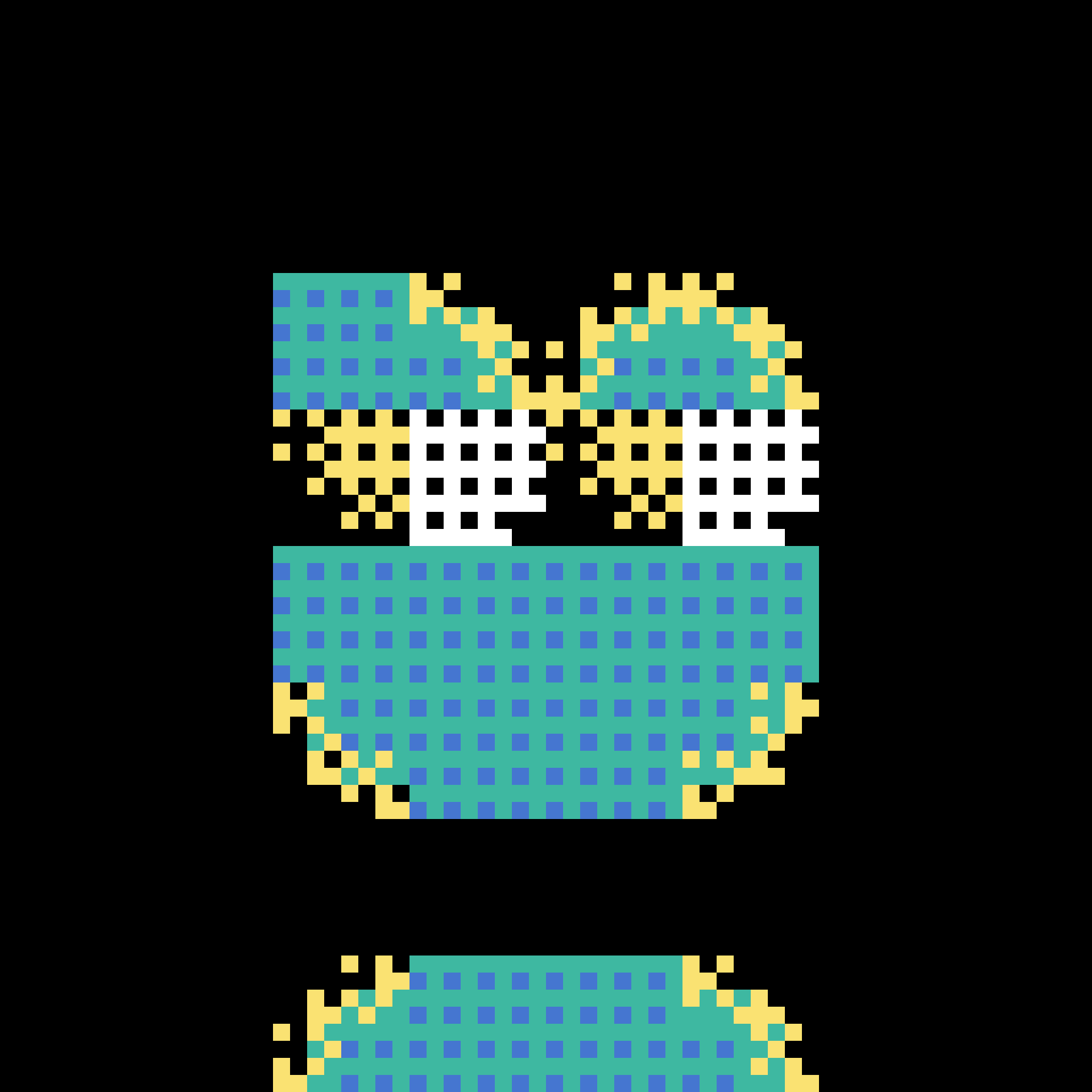
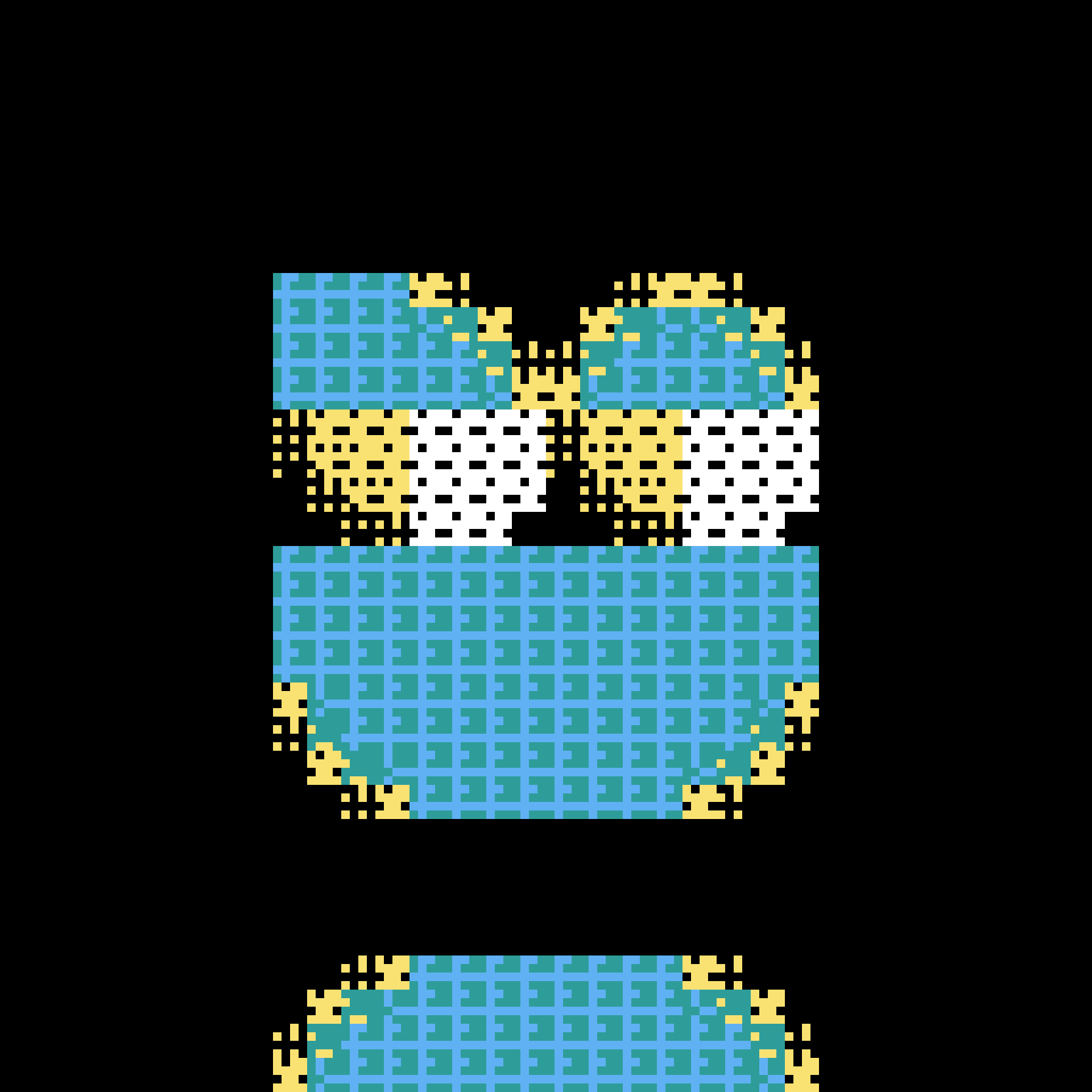
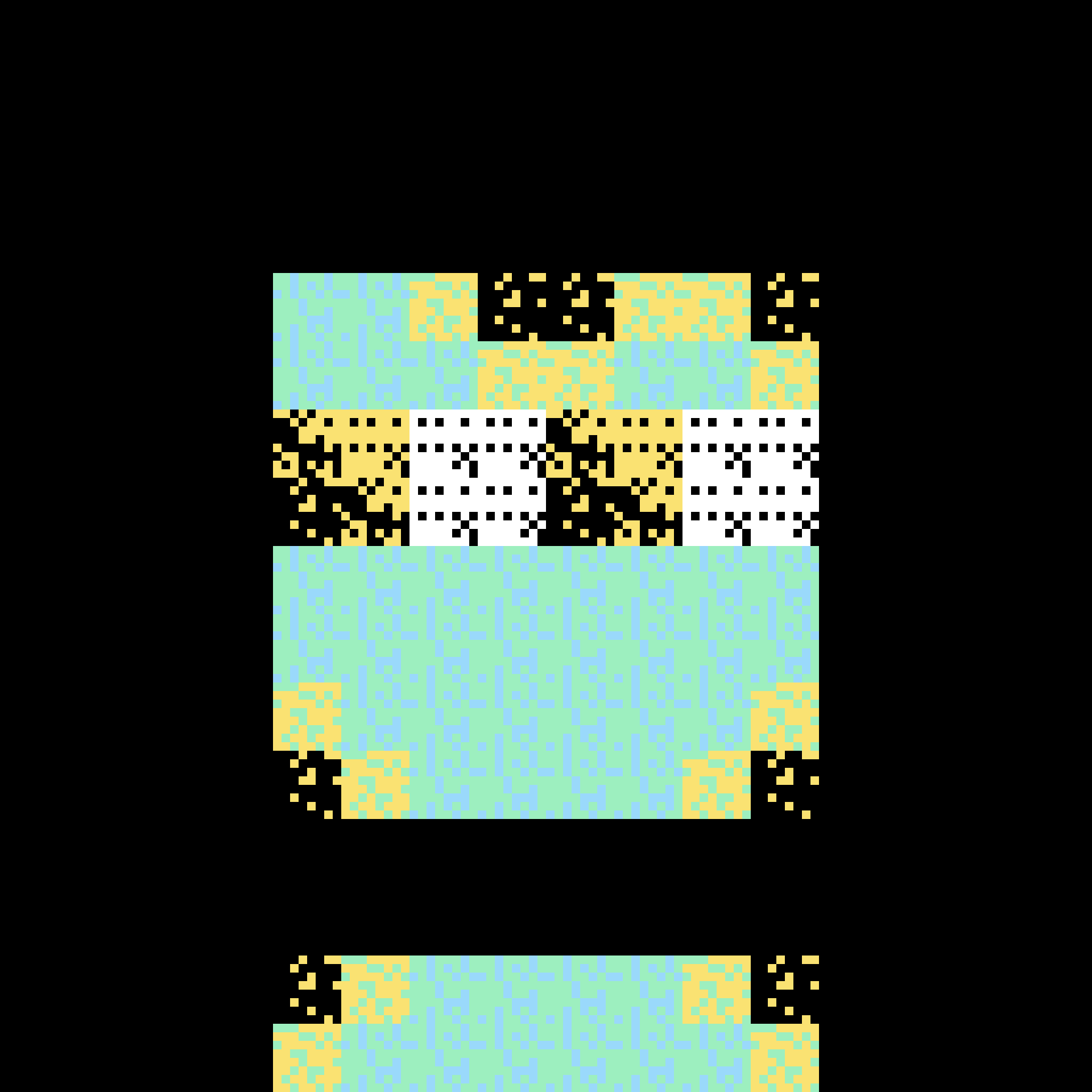
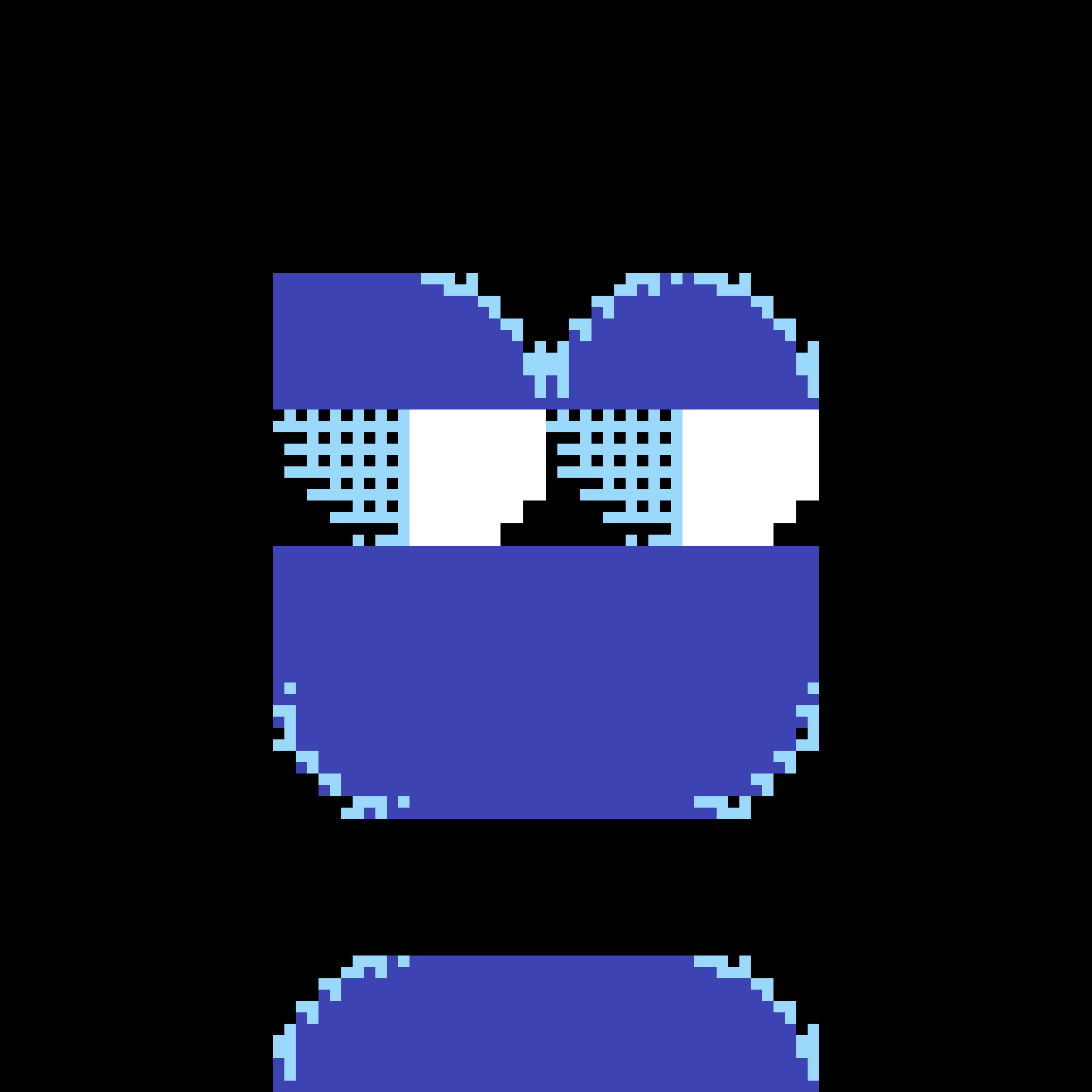
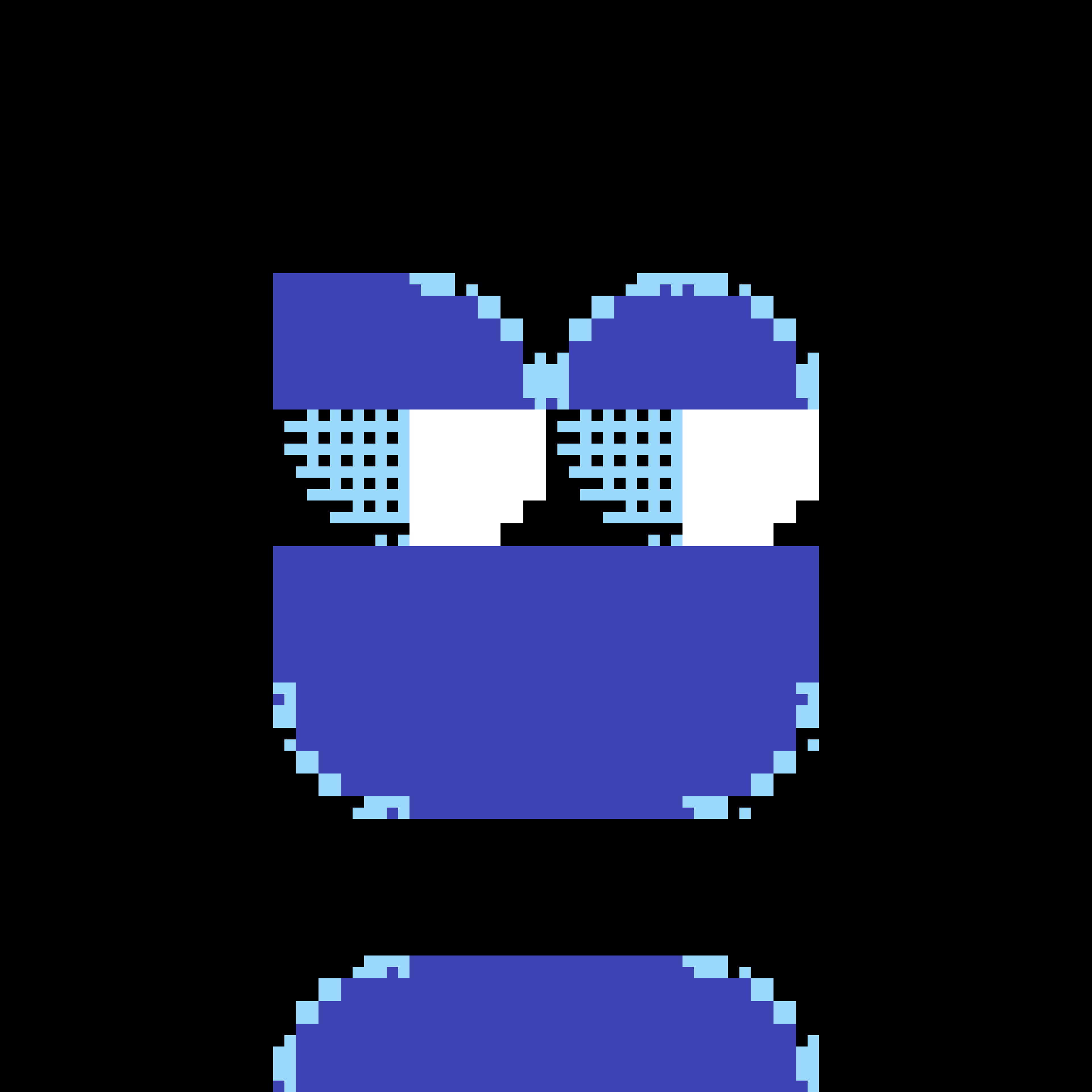
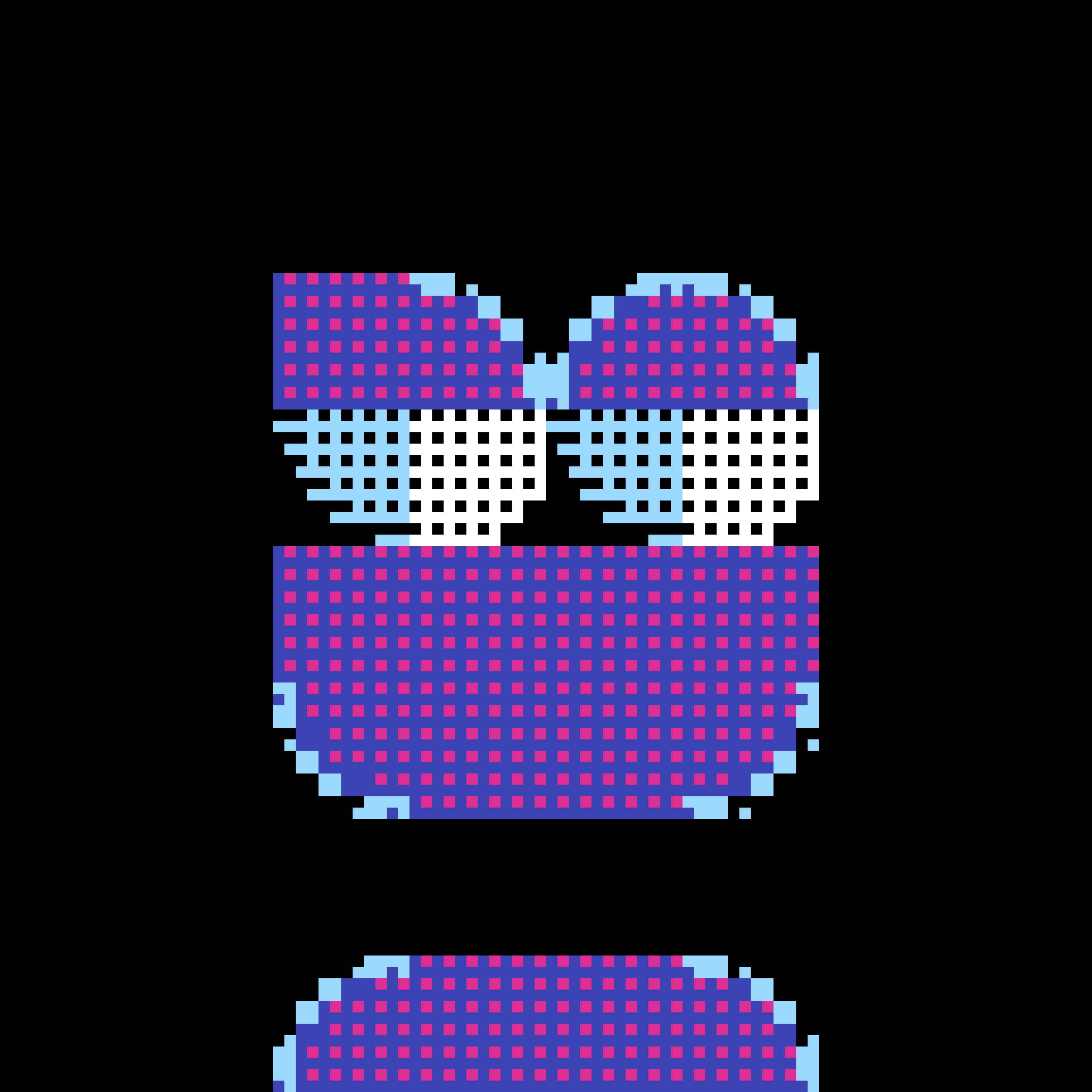
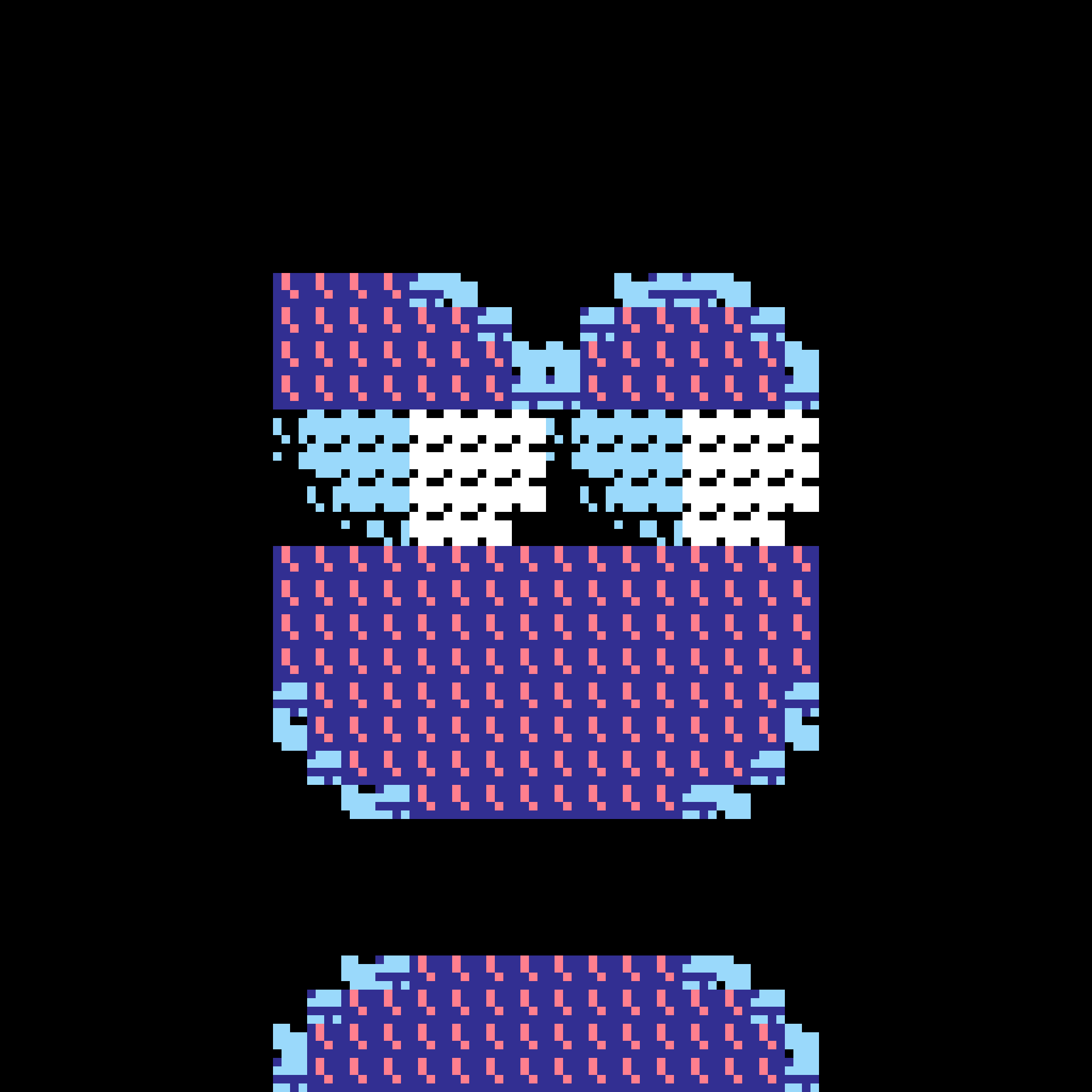
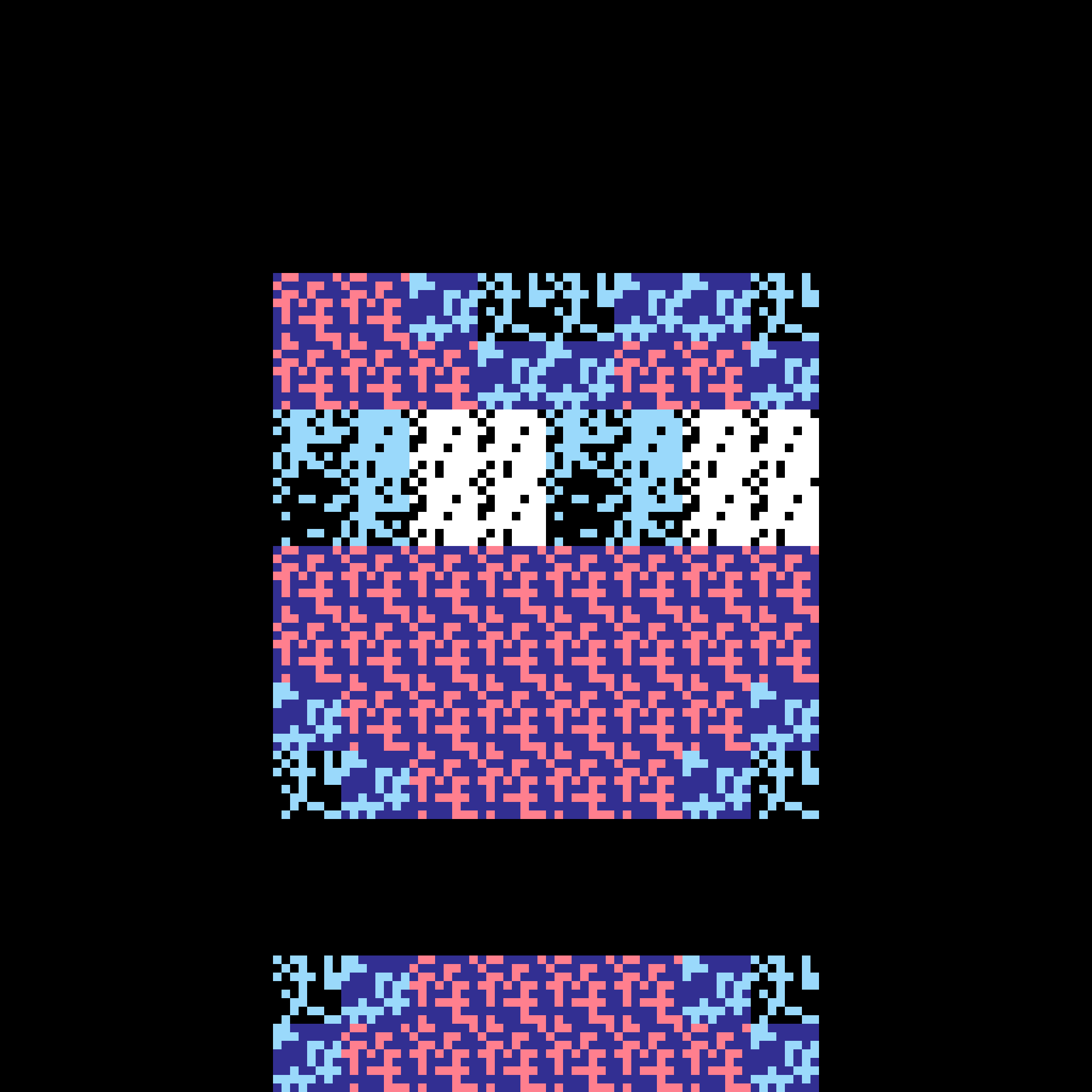
Each row follows one seed and shows how it would come out if it were minted at five points, from the first mint to the last. Early outcomes vary widely; later ones grow more closely related. A minted picture never changes.
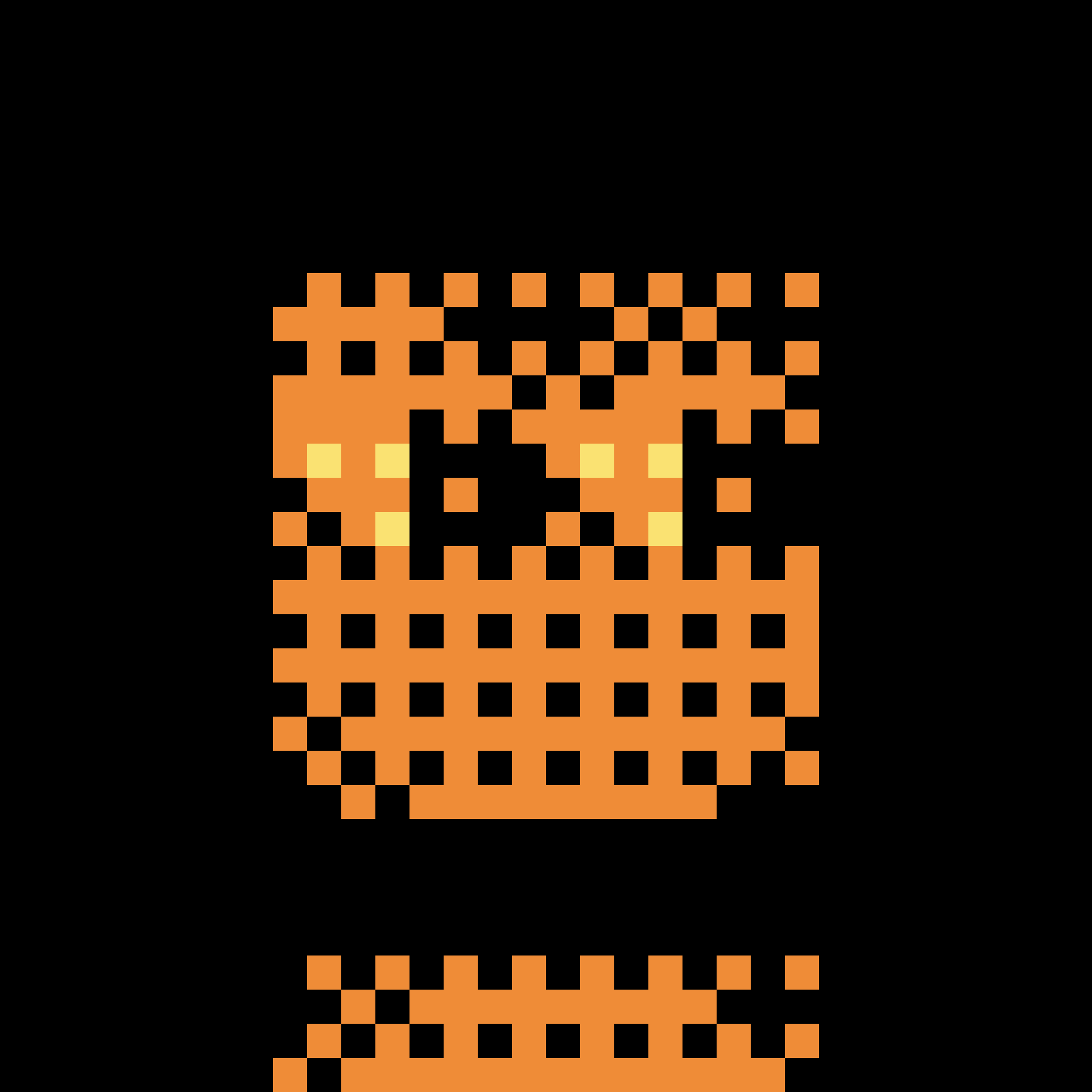
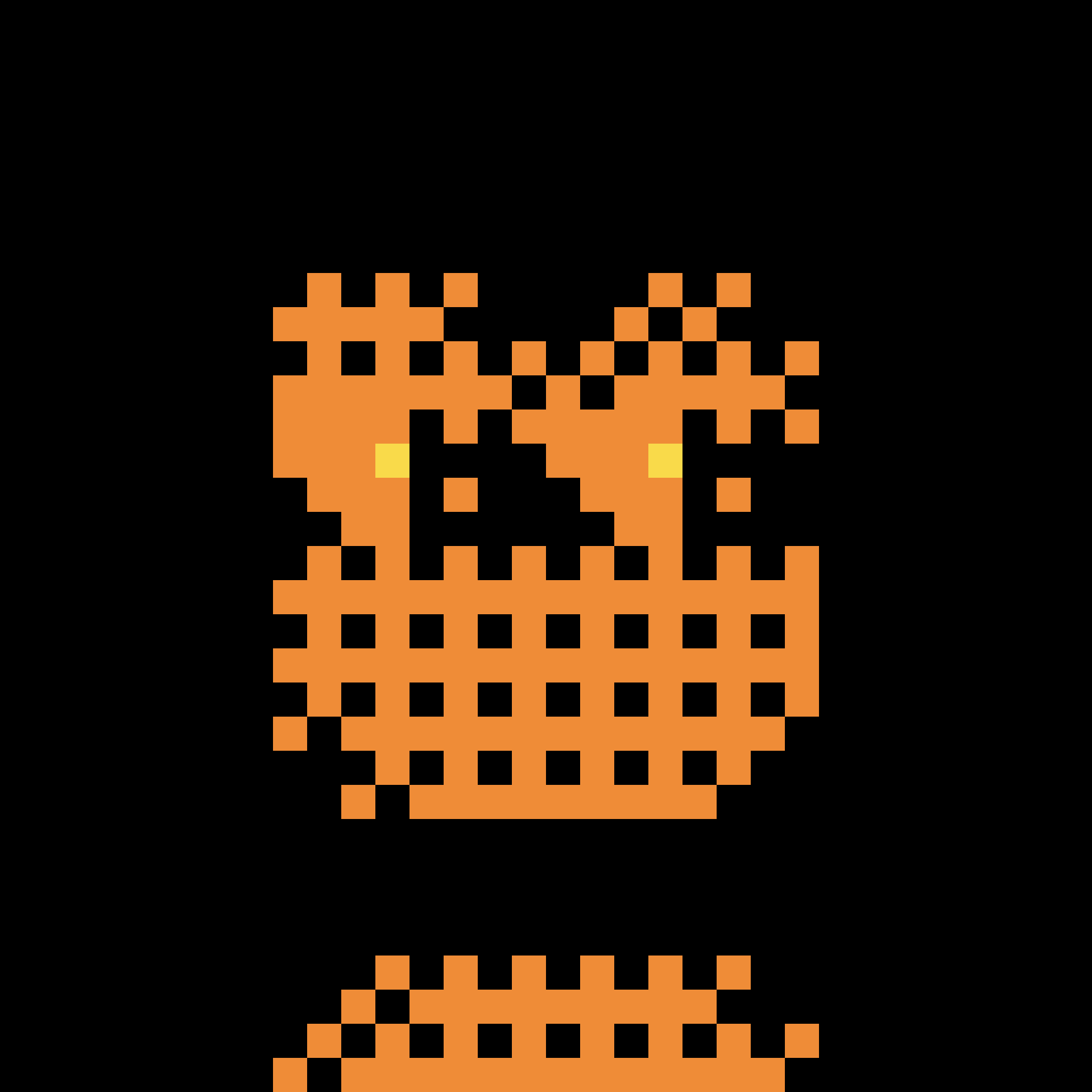
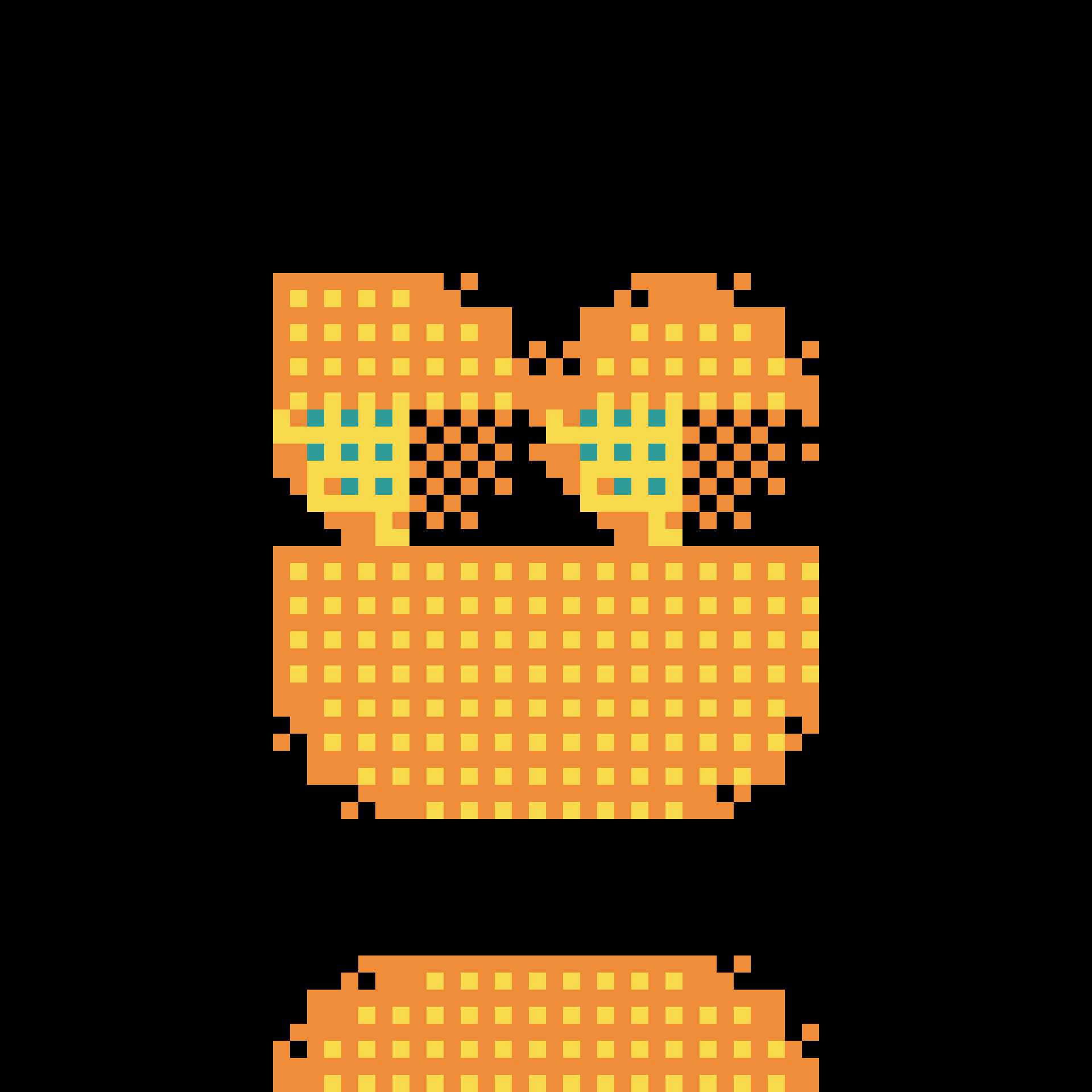
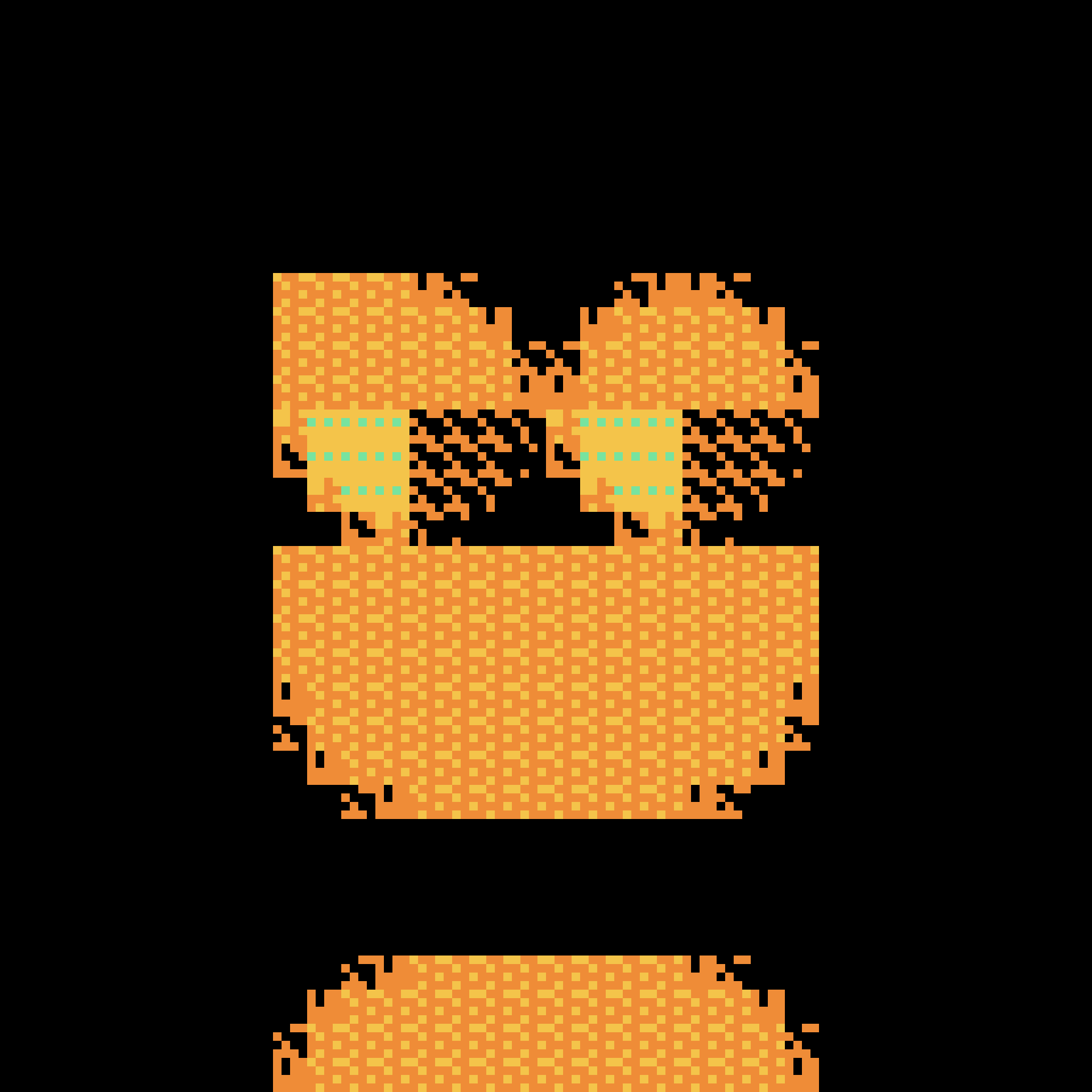
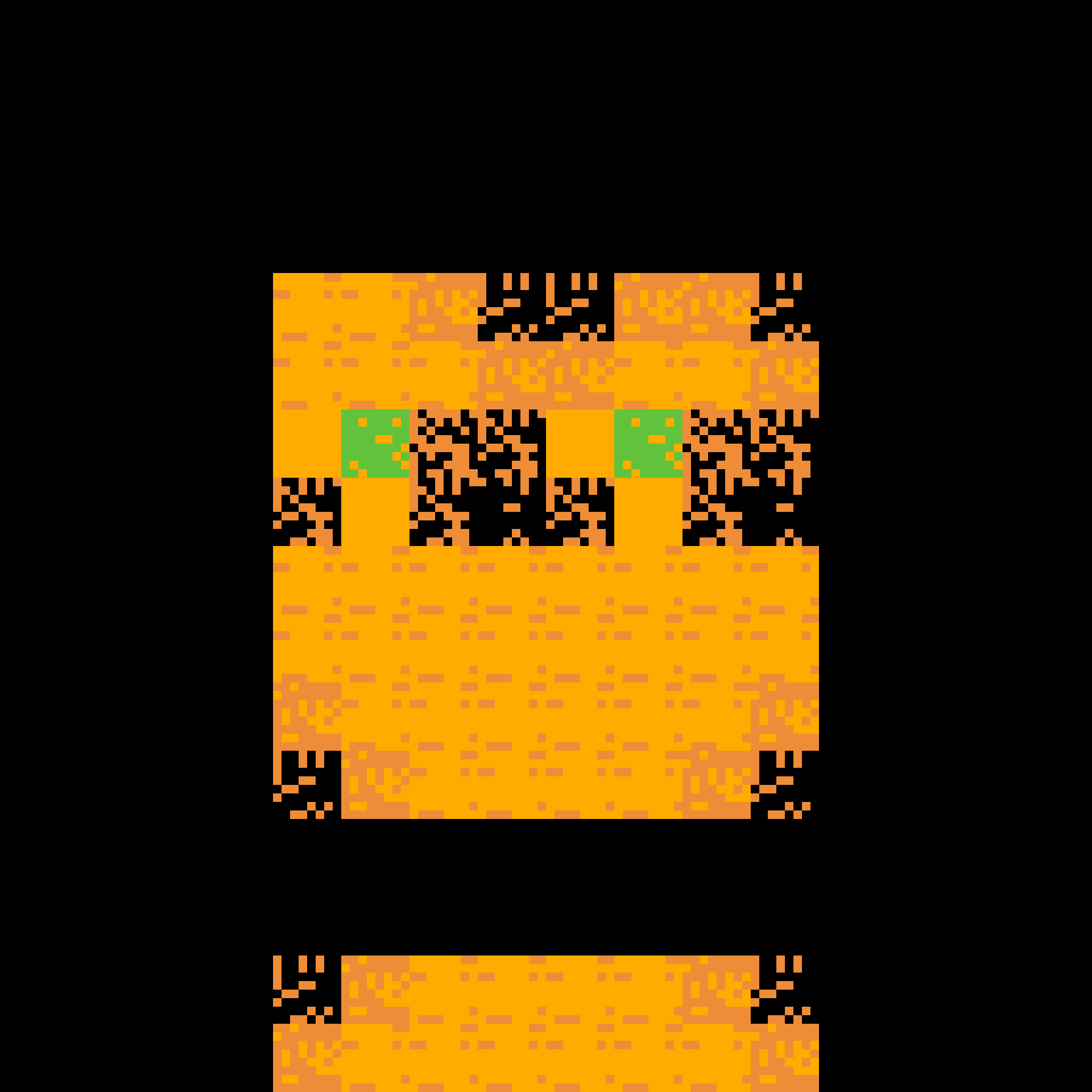
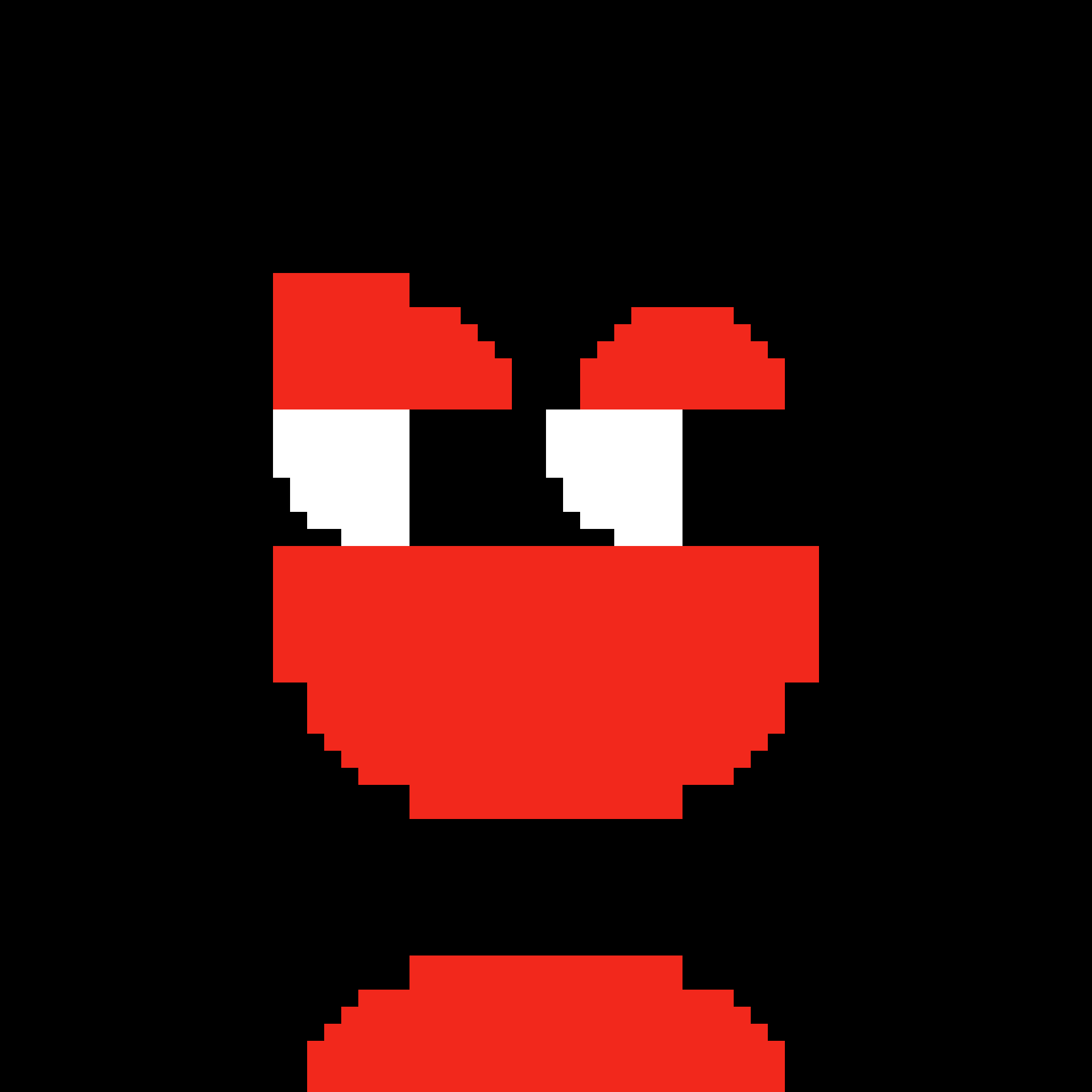
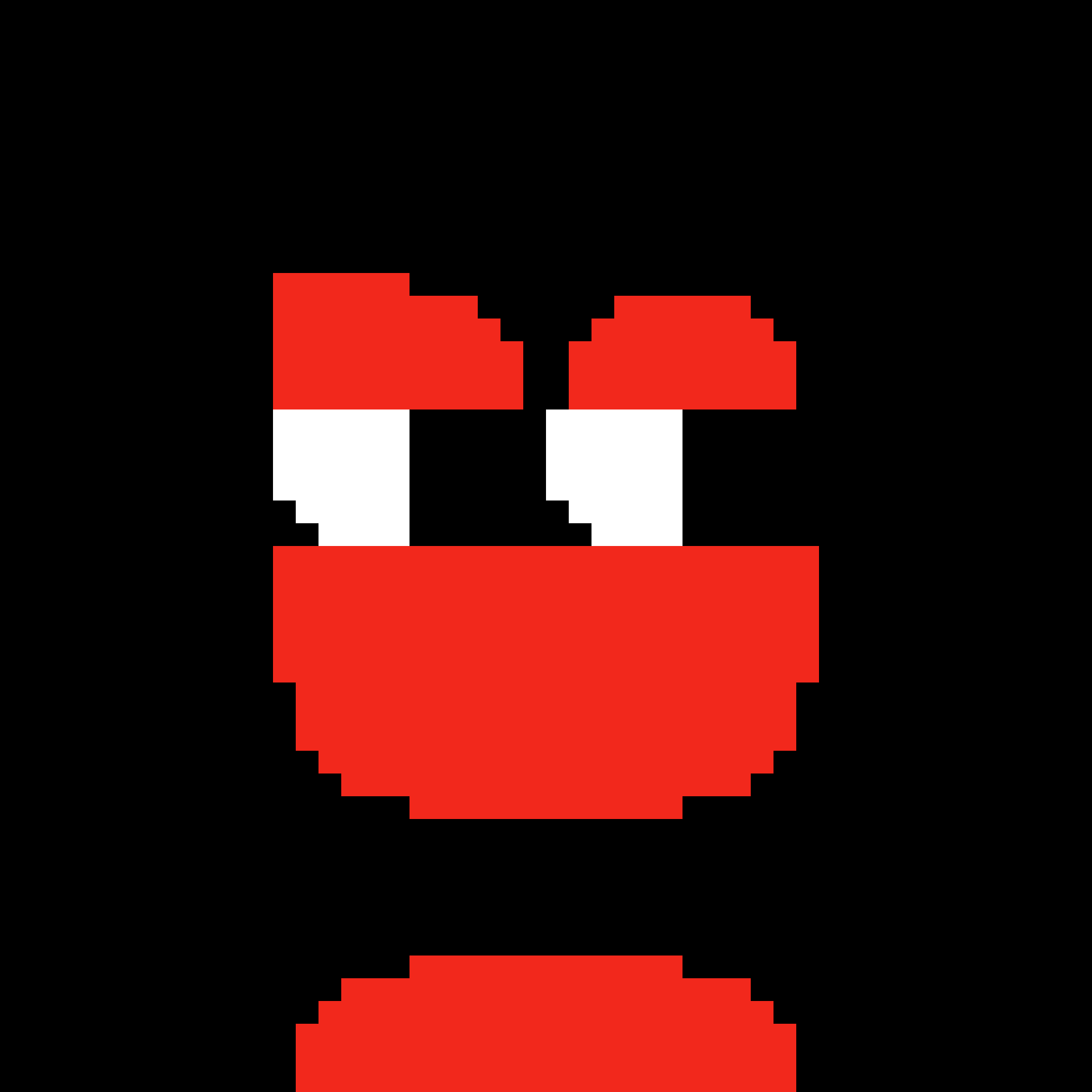
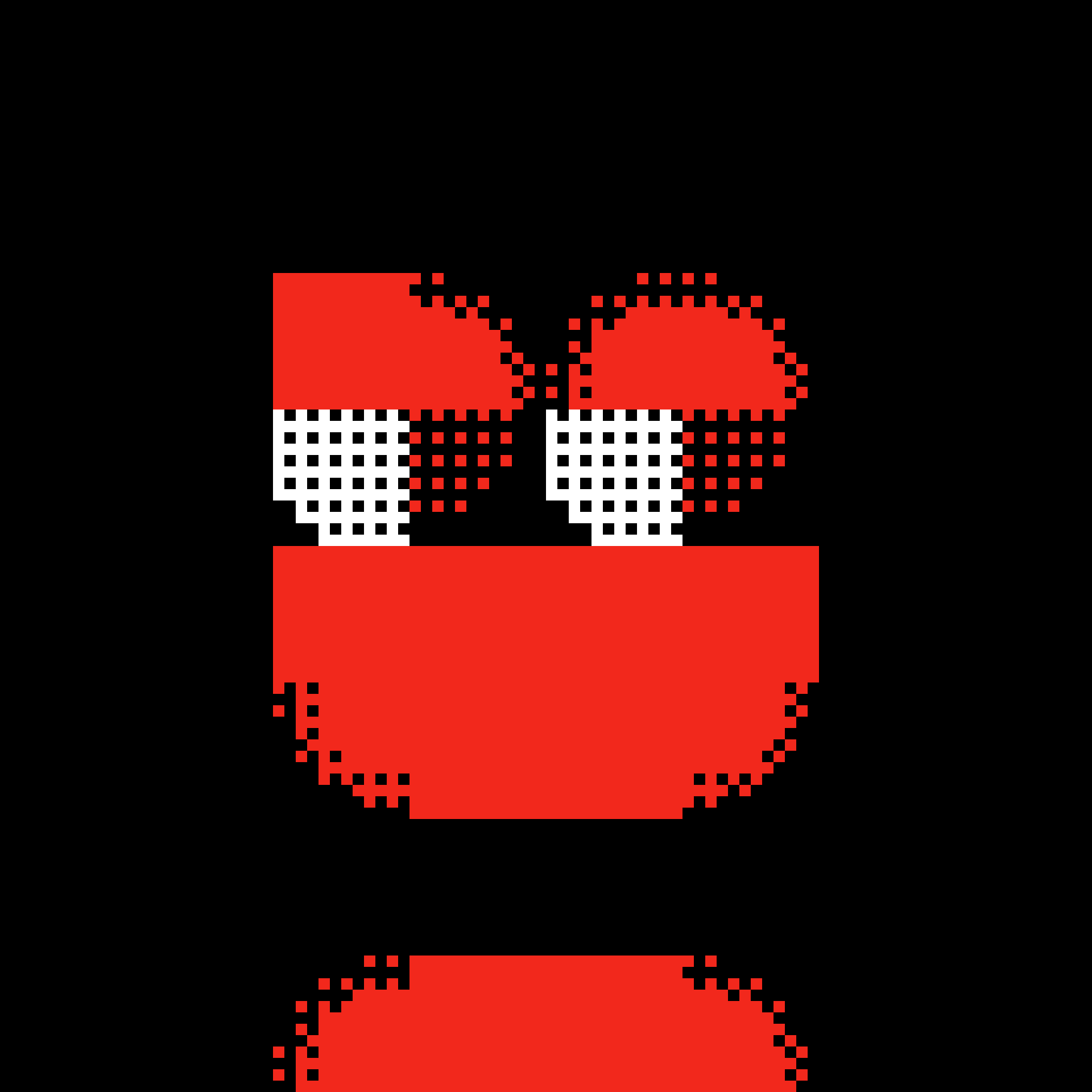
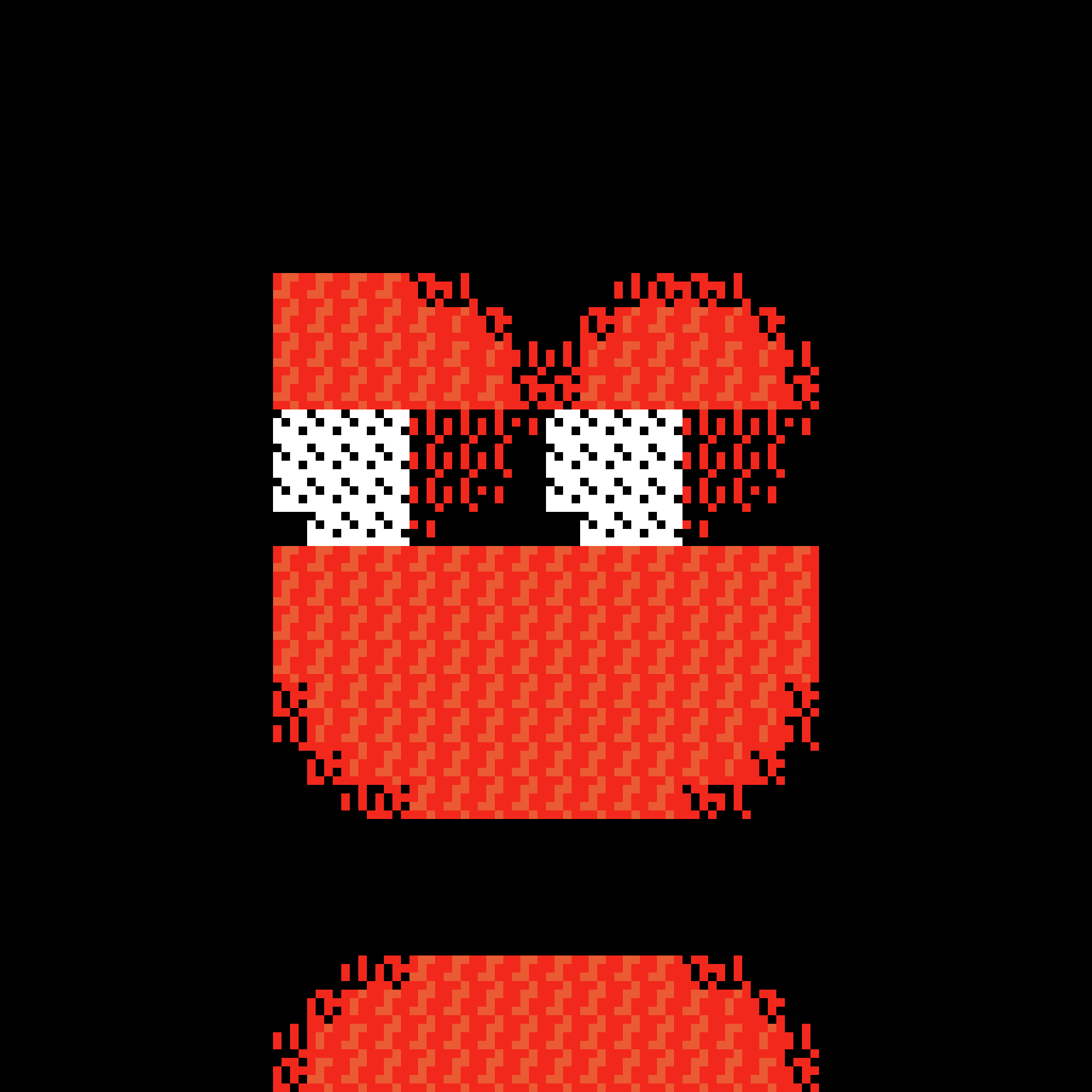
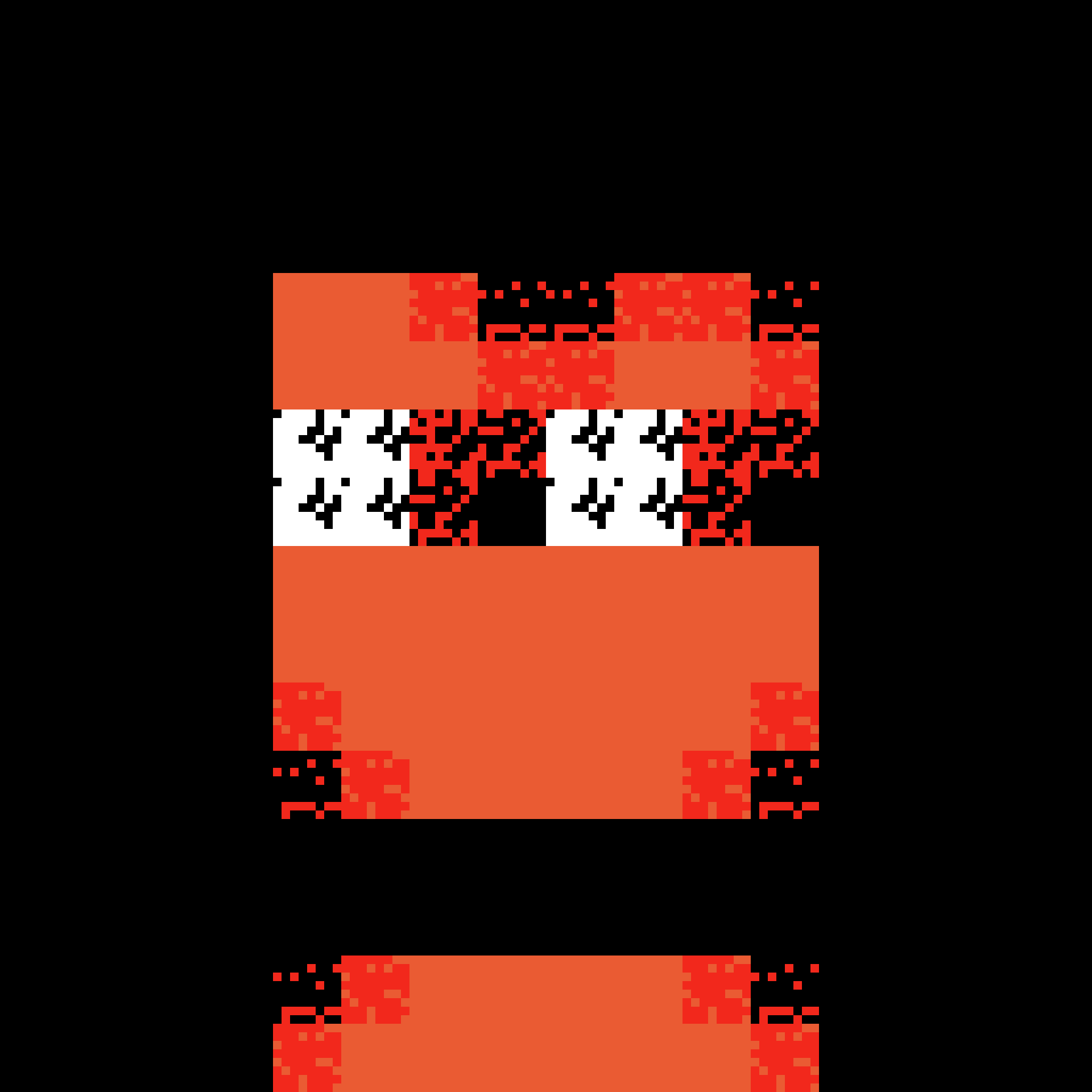
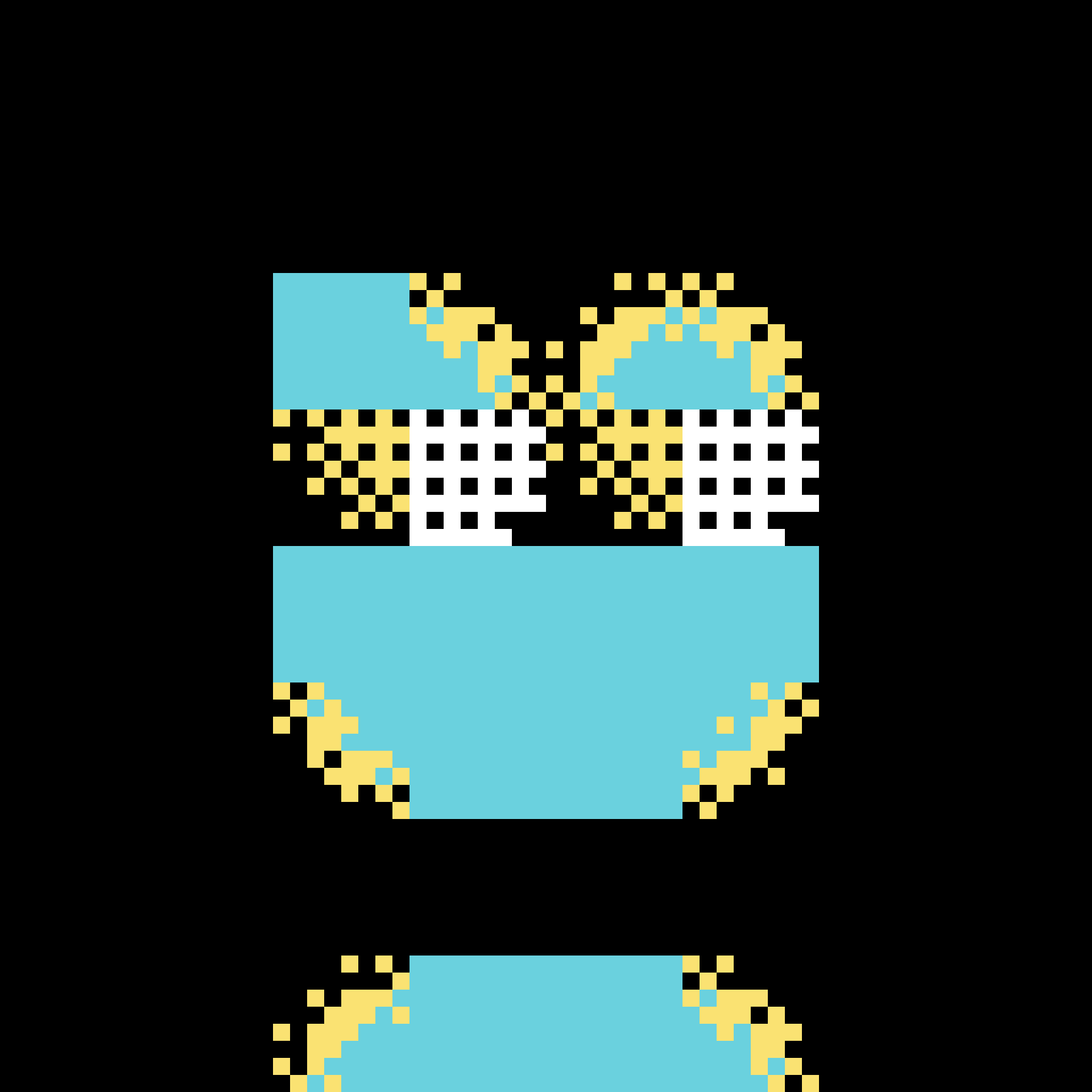
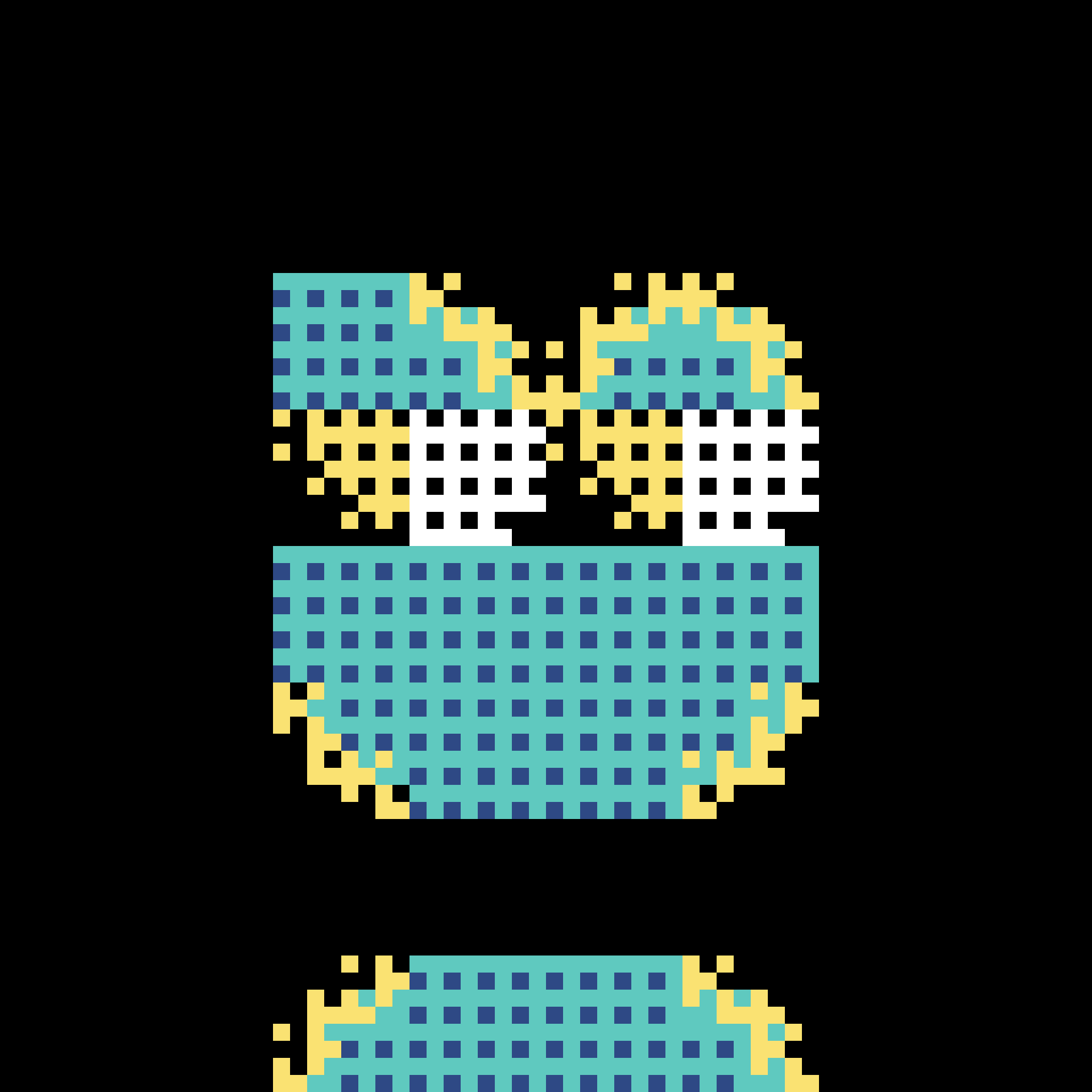
- 30 grids open
- 23 grids open
- 16 grids open
- 9 grids open
- 1 grid open
What changes
Every value of a picture is drawn from a range: how fine the grid is, how many steps, how many colors. With every mint each range narrows, and its middle moves towards where PASS is heading, so late pictures differ in kind, not only in degree.
The series clock only advances when people mint: every mint moves it on by the time since the last one, up to a limit. A long pause adds little, and nothing can hurry it along.
One of the curves being tried: the ranges halve with every year of minting and never quite reach their last band. The numbers are still being tuned.
Two grids in every picture
The figure is built from fields, and every field from pixels. Many fields make smooth curves, few make a blocky figure. One pixel per field gives flat color; many give a fine texture inside each field.
At the start all 30 grids are open, from pictures 8 pixels wide to 128. With every mint the grids furthest from where PASS is heading drop out, until a single one is left: 2 × 2 fields per unit, 8 × 8 pixels per field. Early pictures go every way; late ones share the same large fields and fine grain.
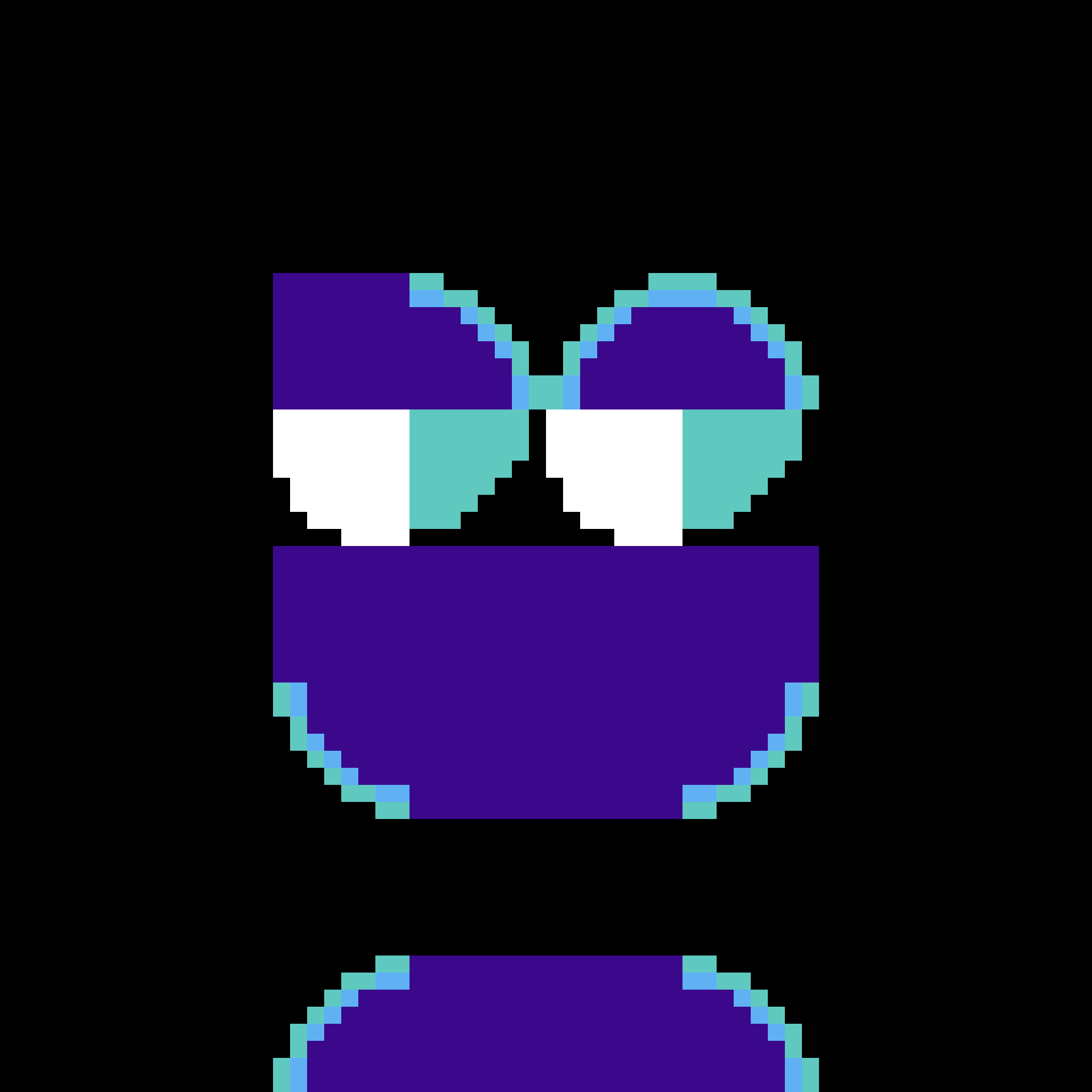

8 × 8 fields per unit
1 × 1 pixel per field · 64 px wide
Many small fields: smooth curves, flat color.
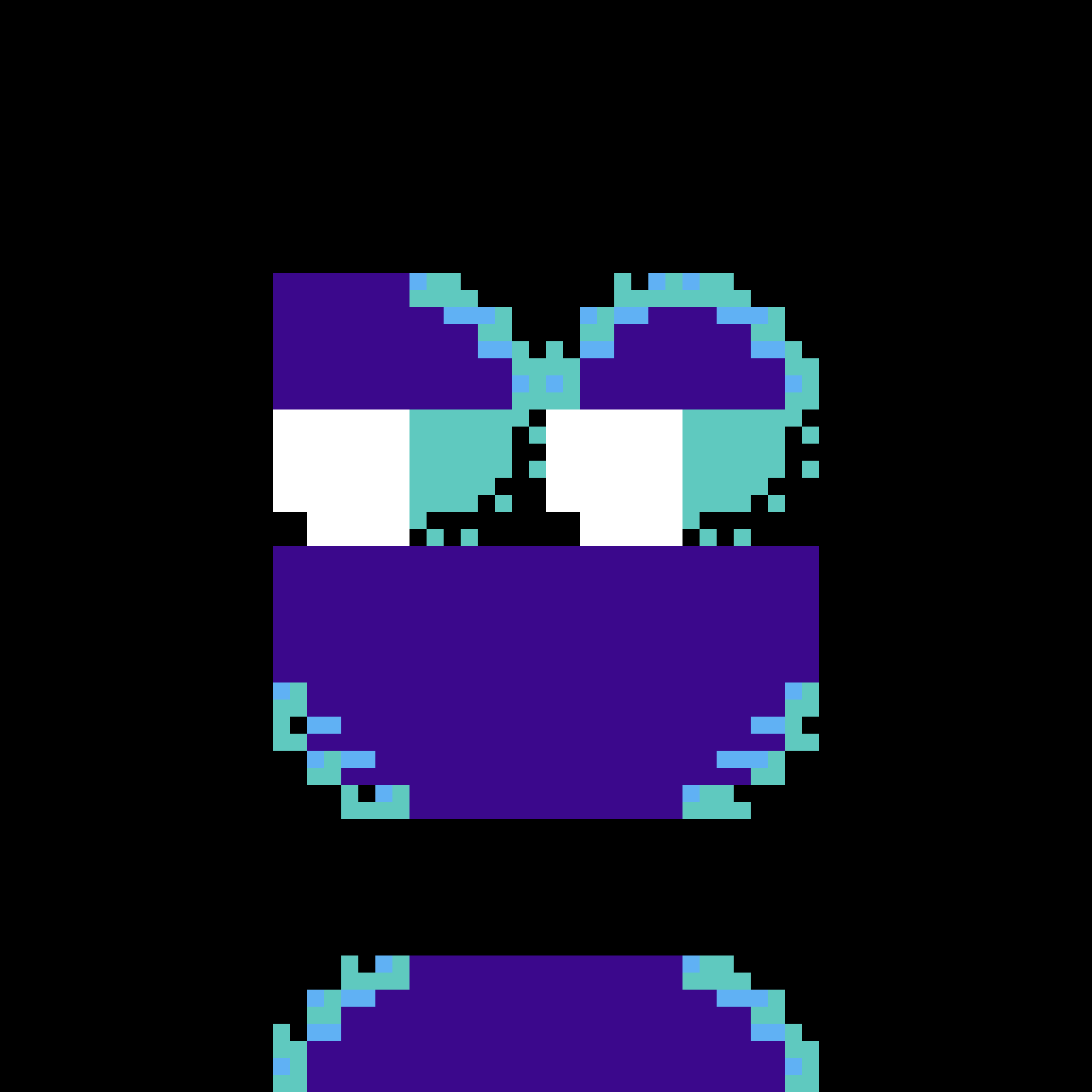

4 × 4 fields per unit
2 × 2 pixels per field · 64 px wide
In between.
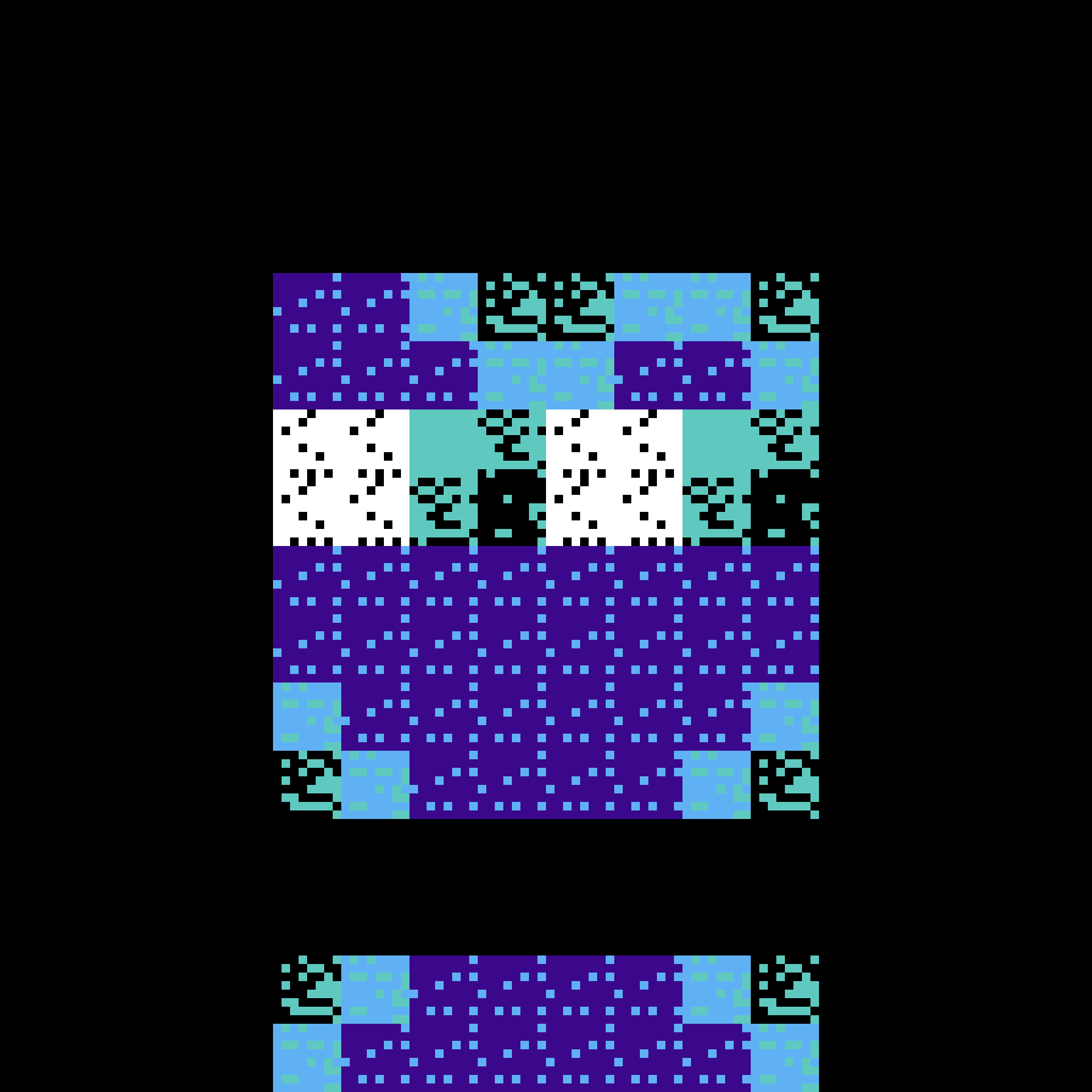

2 × 2 fields per unit
8 × 8 pixels per field · 128 px wide
Few large fields, a fine texture inside: the grid the series ends on.
Families
A child takes the colors its parent shows, shifted a little, and with every generation the color moves on around the ring. Now and then a child starts a family of its own; the children of #0 always do. So the network turns into a gradient, from the inside out.
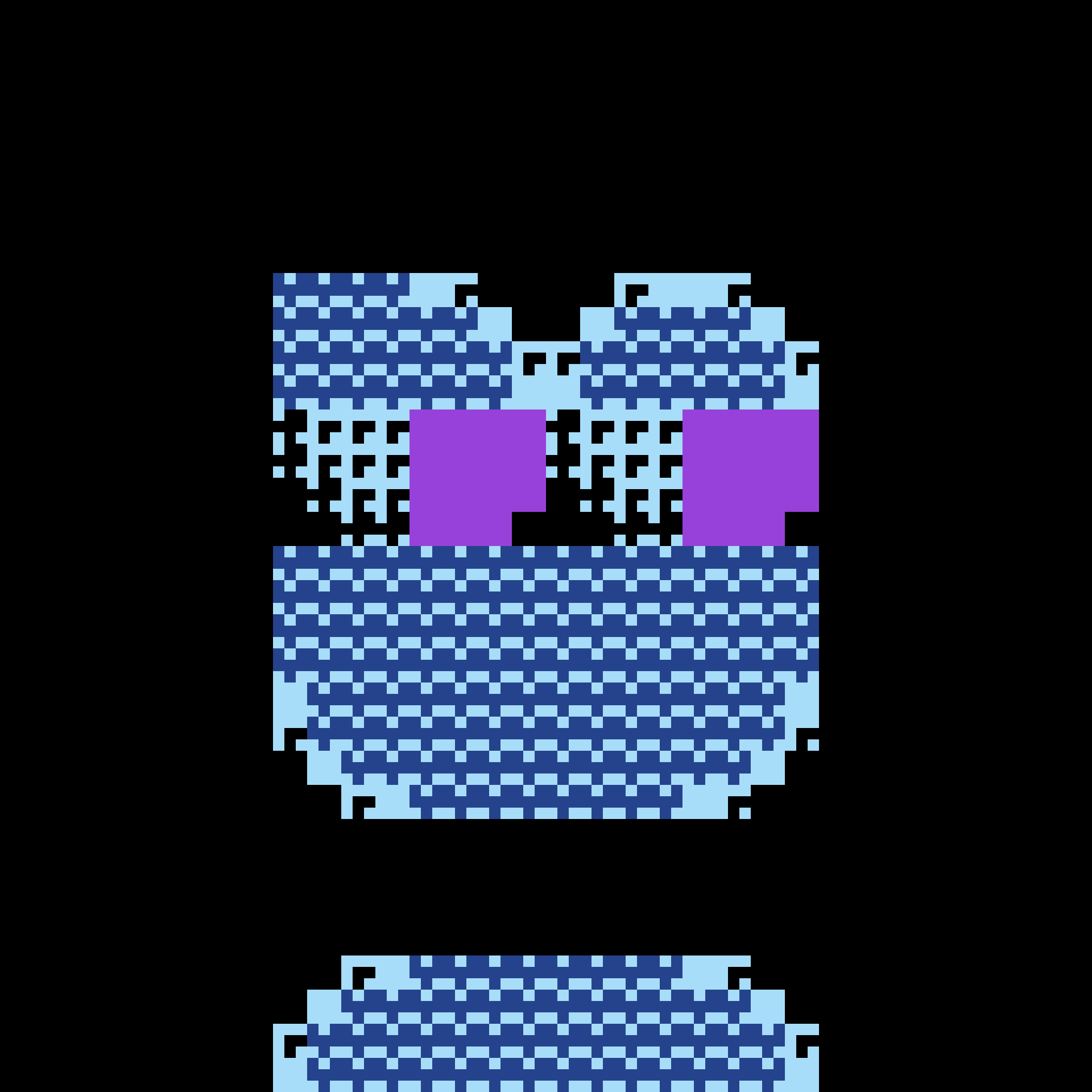 #0 · genesis
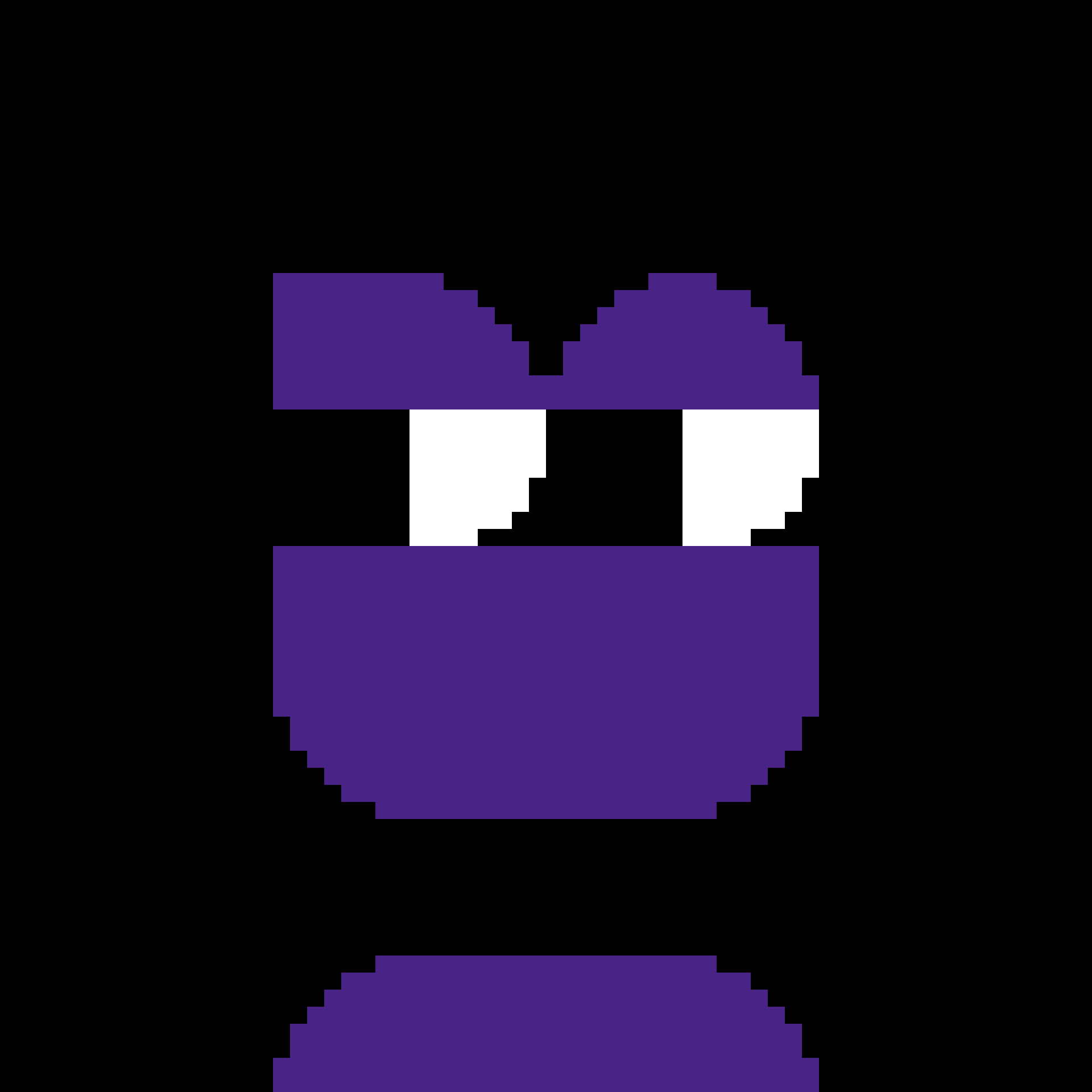 #6 · new family
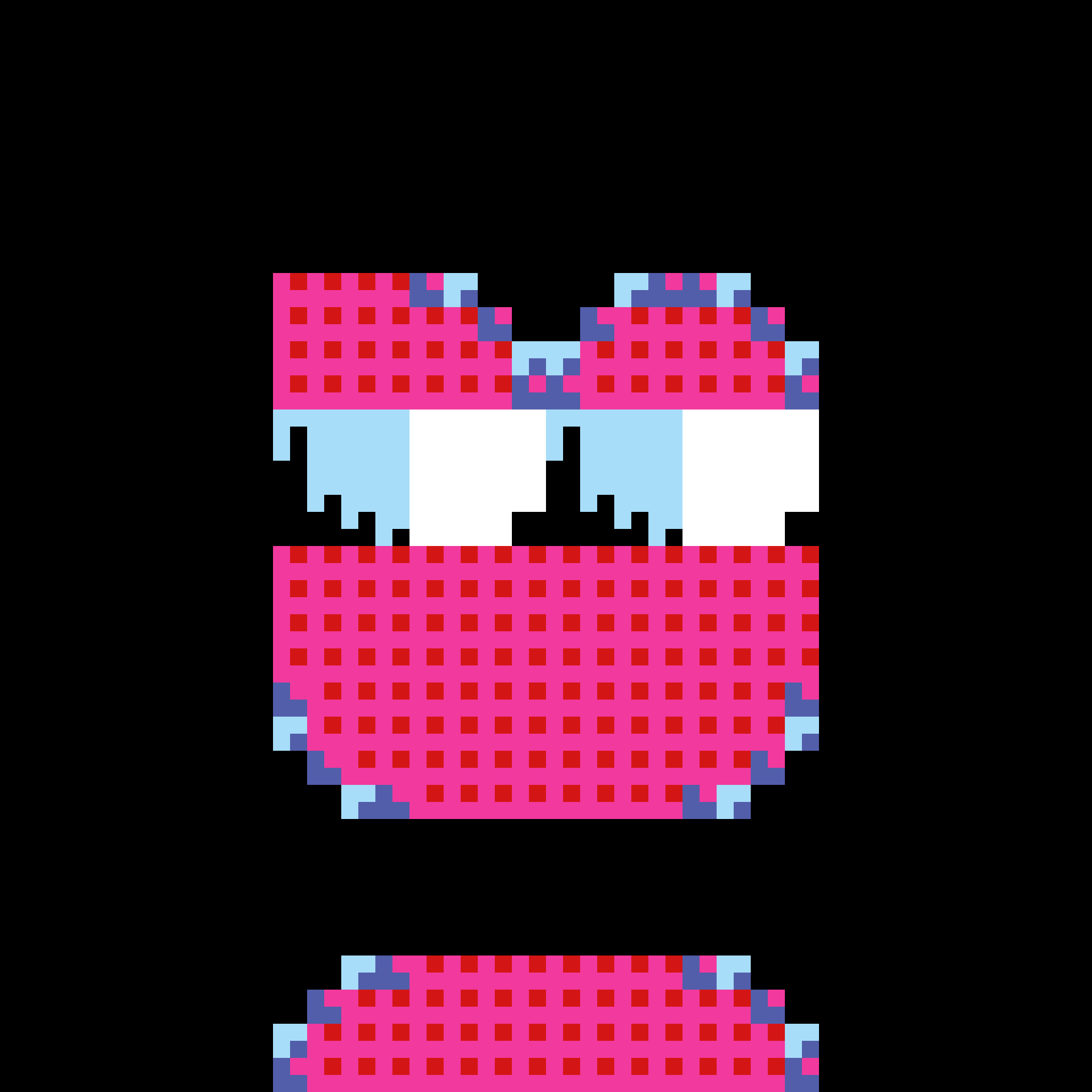 #11 · generation 2
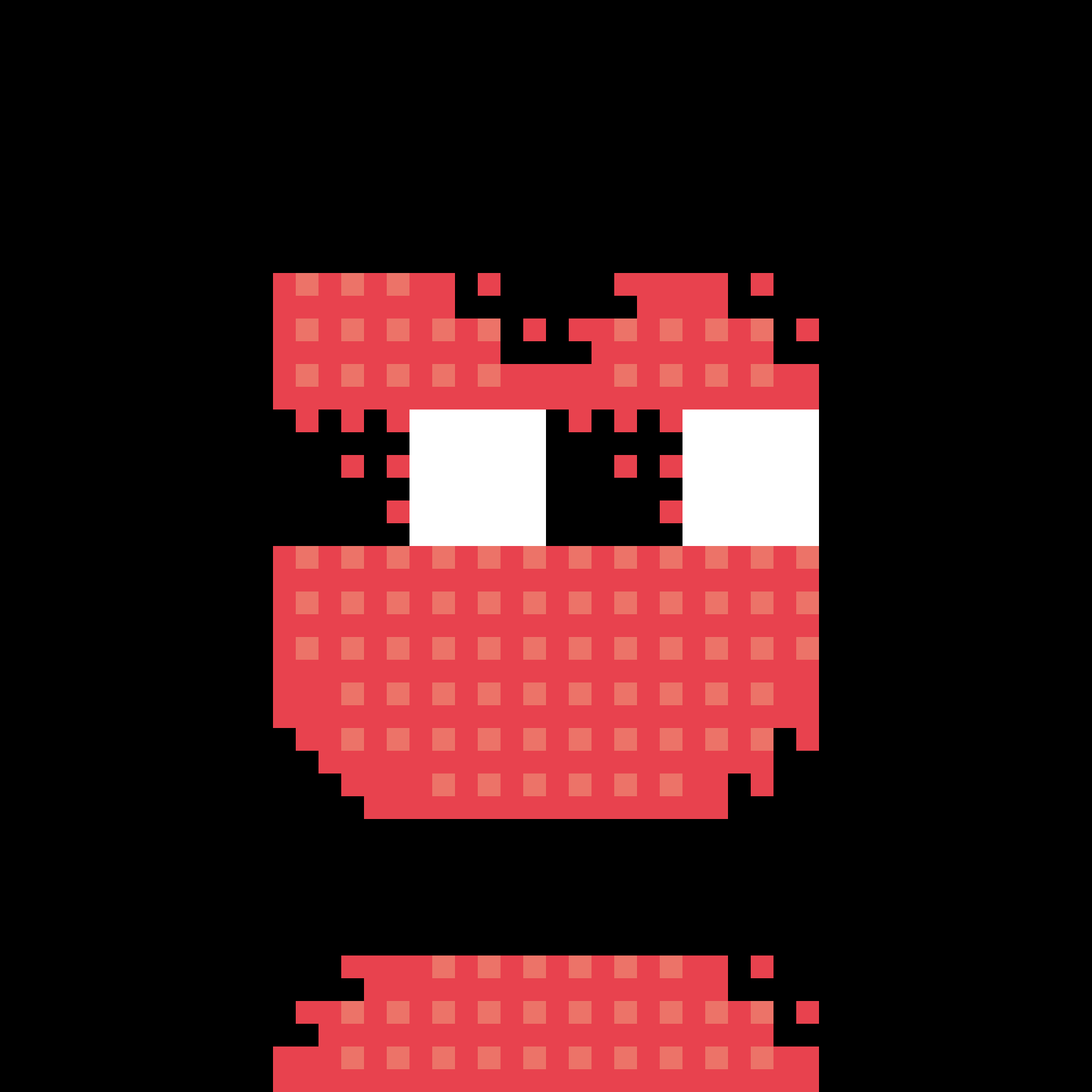 #23 · generation 3
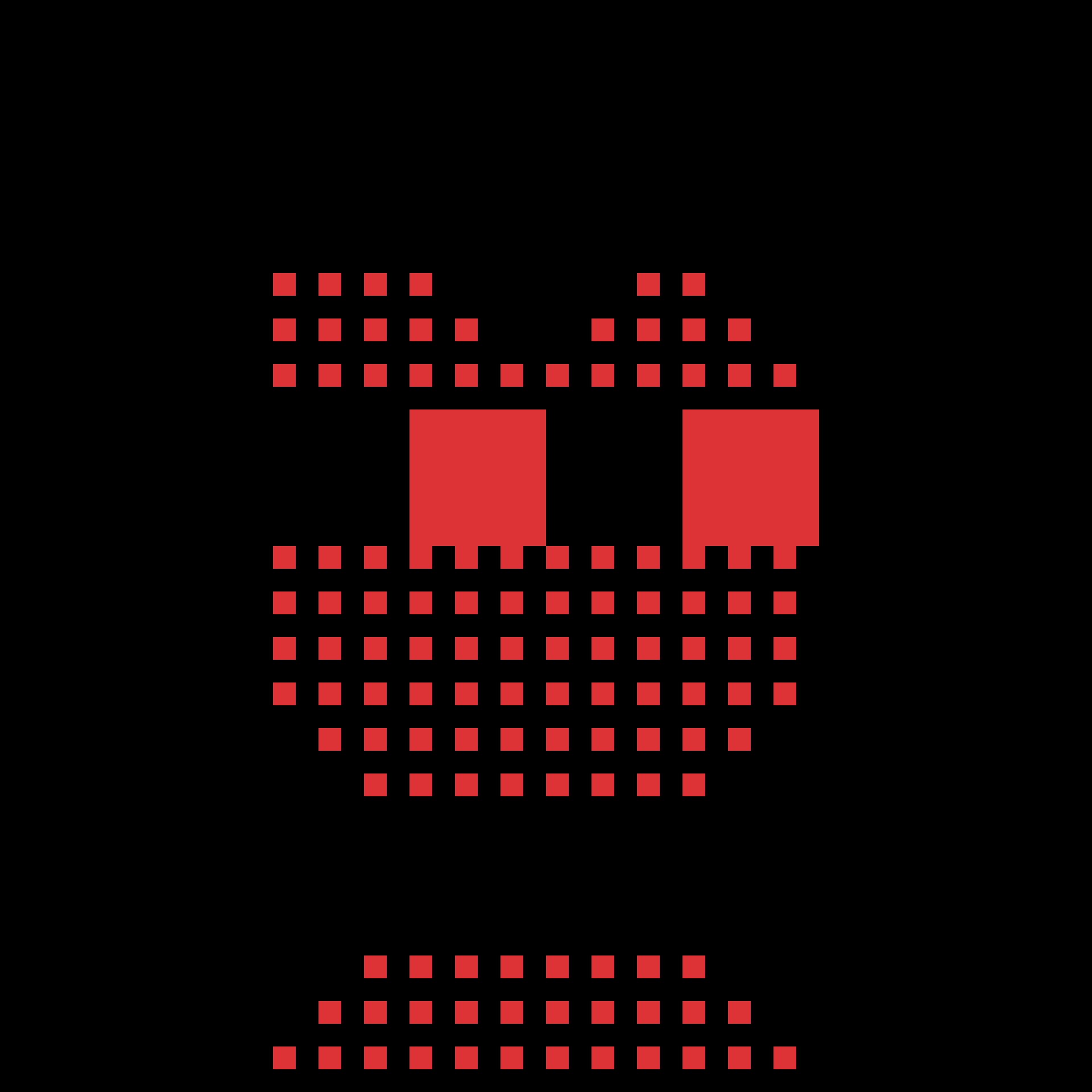 #32 · generation 4
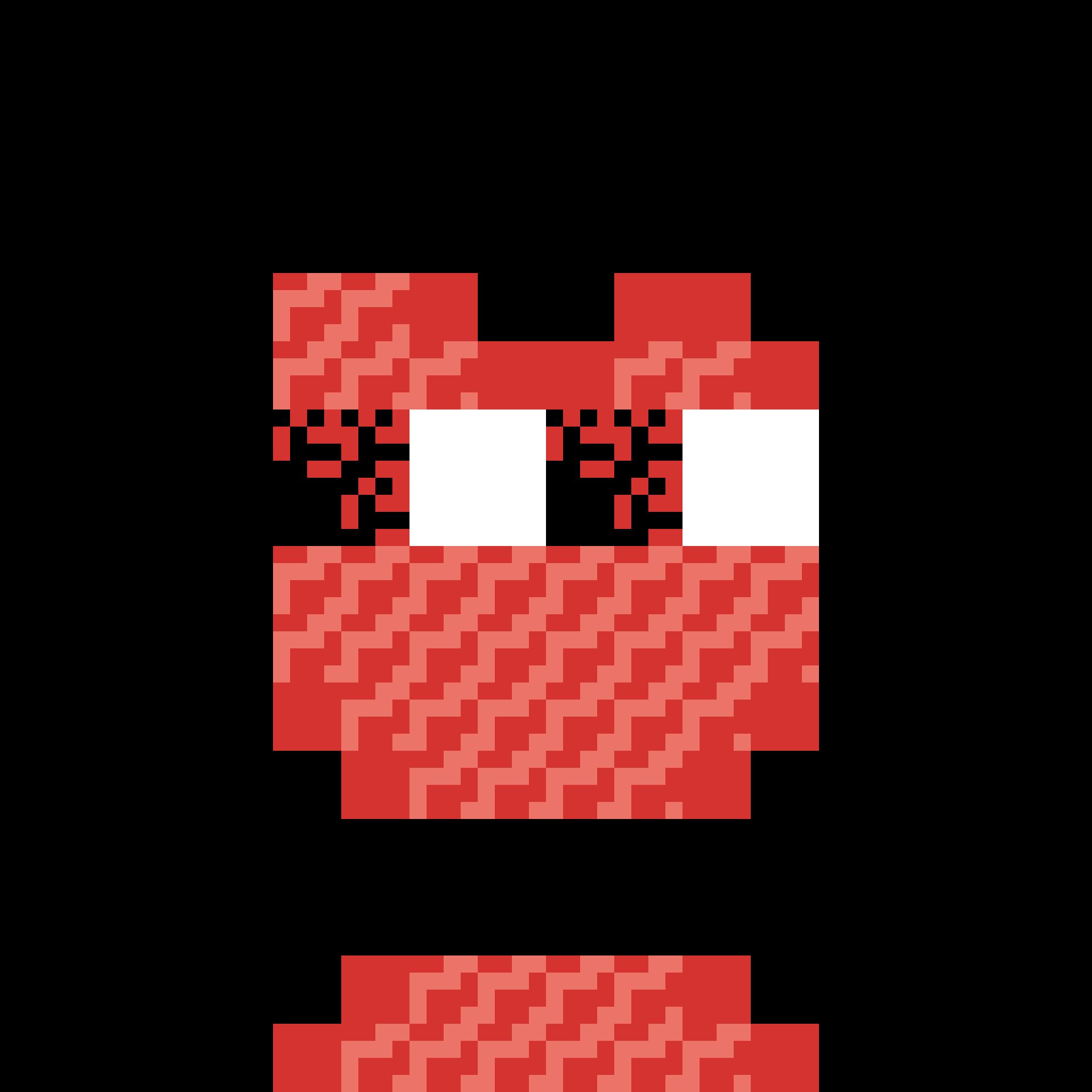 #37 · generation 5
One line of descent from a simulated network, from genesis outwards. Explore the whole network
Inside a picture
Six steps from the empty grid to the finished picture, drawn by the same code as the series.

1 · Shape
An 8 × 8 grid of squares and quarter circles: the Opepen.

2 · Fields
Each unit splits into fields. Grey shows how much of a field lies inside the shape.
3 · Colors
A start and a stride pick colors from the ring of eighty. Only the ones that show count.

4 · Dither
Between two colors, pixels flip in random order, a few more with every step.

5 · Coverage
A fully covered field runs furthest through the colors, a partly covered one stops earlier. That makes the curves.

6 · Eyes
The lower quarters of the eyes turn light, colored, or toned, and set the gaze.
Where a picture comes from
A token’s seed comes from its number, its parent, the wallet it goes to and the randomness of the block it is minted in. Parent and wallet can be chosen, the block’s randomness cannot, so nobody can try seeds until one pleases. The seed draws the picture within the colors of its parent and the range of the day.
Before a token is minted, its picture is checked to be one of a kind. Every picture is drawn by the contract itself, as a vector image: sharp at any size, nothing stored off-chain.
- token number#120the next number in line
- parent#96chosen by the minter
- wallet0xbc30…e1a4chosen by the minter
- block randomness0xff7c…7f26chosen by nobody
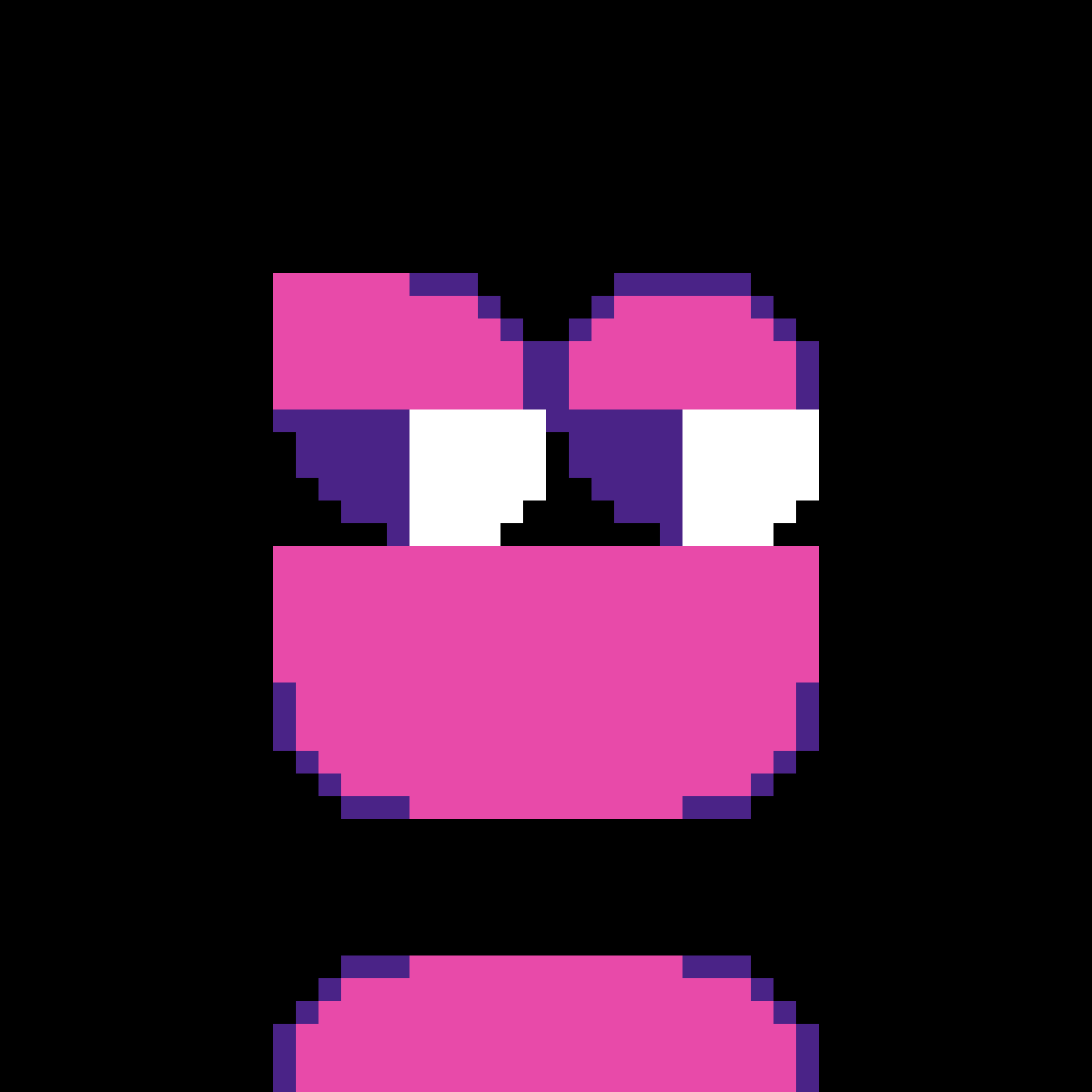 colors of #96handed down by the parent
- range of day 8still wide, early on
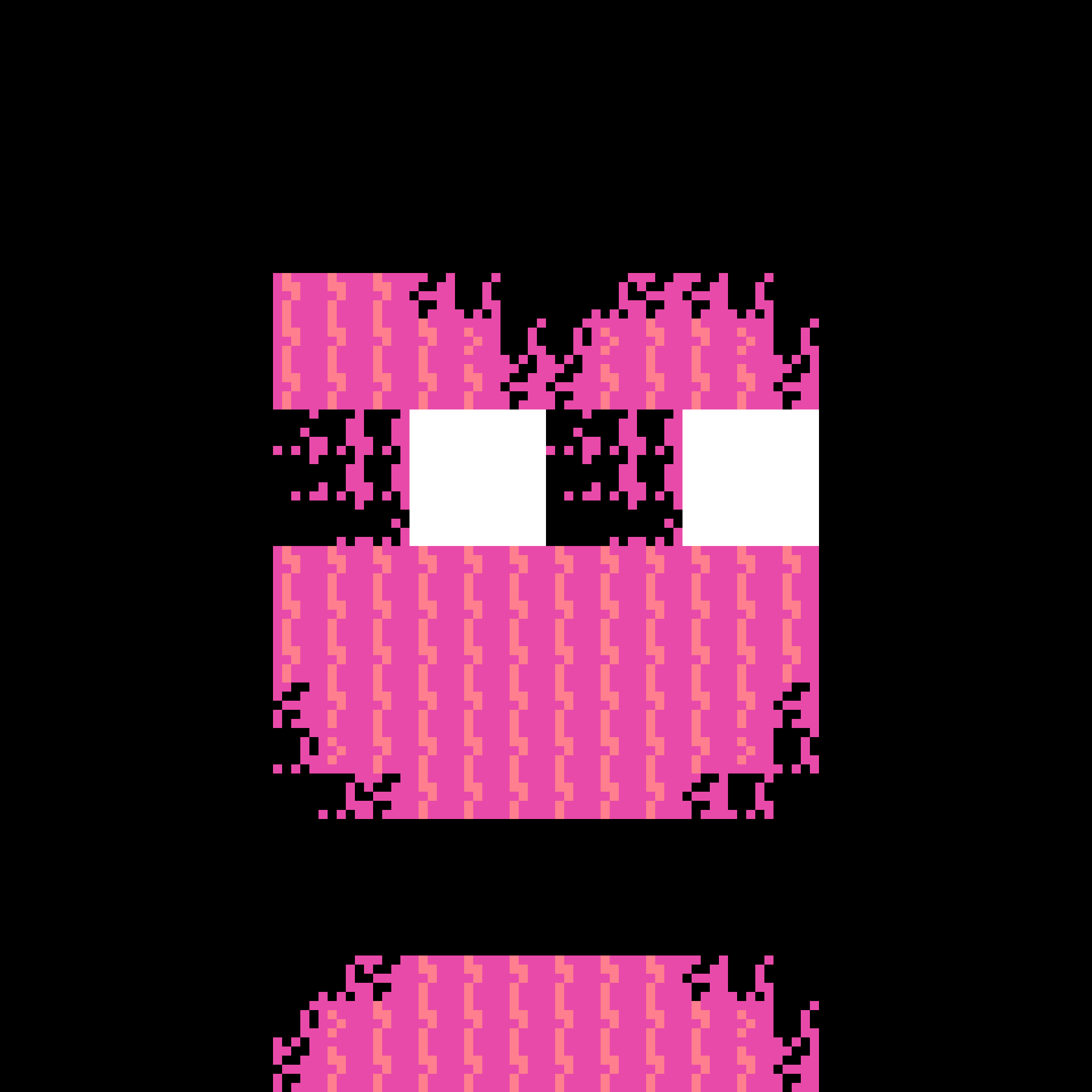 #120checked to be one of a kind, else drawn again. The contract itself renders it, as a vector.